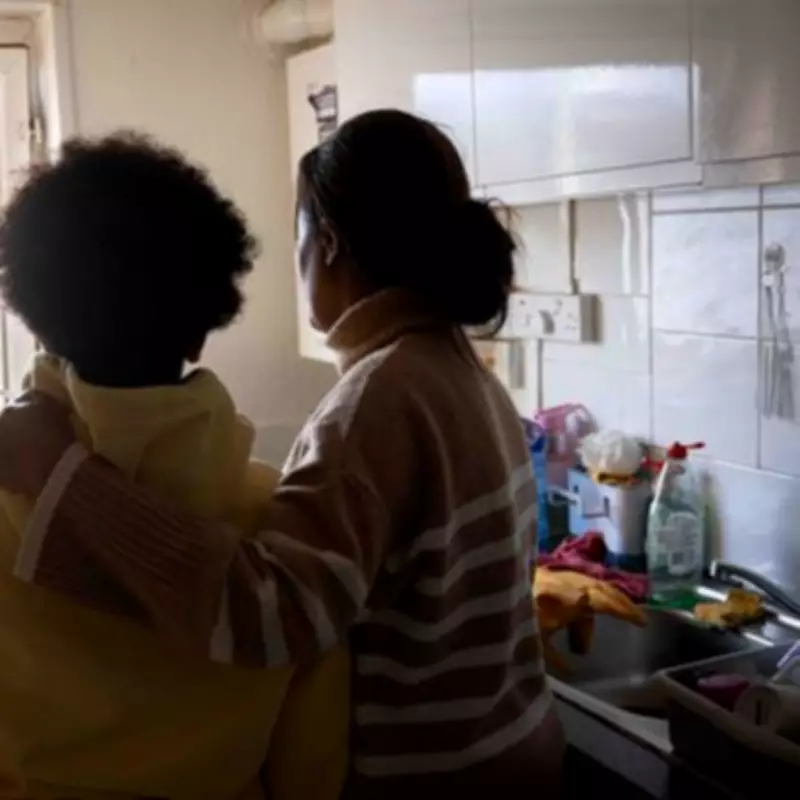
Birmingham Mother Hospitalised After 16-Year Wait to Escape Damp, Mouldy Council Flat
A Birmingham mother-of-four has been hospitalised with serious respiratory problems following a 16-year battle to escape her damp and mould-infested council flat, with community workers warning the council that "if she dies, it's on them."
Family Trapped in 'Disgusting' Conditions Despite Professional Support
Carer Weini Asmelesh Abraha, 42, has been bidding on Birmingham City Council properties for over a decade and a half in a desperate attempt to move her four children from their two-bedroom flat in Nechells. Despite her recent week-long hospital stay due to breathing difficulties linked to the property's conditions, the family remains trapped in what has been described as "disgusting" accommodation.
The situation has become so severe that both her children's GP and school headteacher have written formal letters to Birmingham City Council supporting the family's urgent rehousing bid. Their housing priority banding has been upgraded from Band C to the higher-priority Band B, yet they continue to face what community worker Rizwan Zubair calls an "extreme wait" for suitable accommodation.
Repairs 'Patched Over' as Problems Worsen
Mr Zubair, who has been supporting the family, revealed that despite council repairs being carried out in January, the underlying issues have not been resolved. "They fixed everything, and then the leaks came back straight away," he explained. "All they've did was patch over the evidence. Now, it's all coming through the kitchen, bedroom, bathroom."
The community worker described how the problems have only intensified over time, with kitchen cupboards leaking and water ingress affecting multiple rooms. He expressed particular concern about the family's sleeping arrangements, noting that all four children share one damp bedroom with their mother.
Children's Health Suffering in Overcrowded Conditions
The health impact on the children has been significant, with professionals repeatedly alerting the council to the dangers. "She has four kids sleeping in one room, and they're all ill," said Mr Zubair. "Especially the youngest one, her headteacher has written to the council and her GPs wrote twice to the council to get them out of there. They're ignoring it, it's unbelievable."
The mother's own health has deteriorated under the strain of working as a carer while managing the family's challenging living situation. "Weini is totally stressed," Mr Zubair reported. "She hardly sleeps, she works as a carer, she comes back, picks up the kids from school every day and has to come home to all this."
Council Response and Housing Crisis Context
Birmingham City Council stated that repairs to a first-floor communal walkway above the property were completed on January 12, with no further ceiling leaks observed since. The authority has scheduled additional works for February 16 and 18 to install enhanced ventilation and treat mould in the property.
The council acknowledged the family's overcrowding situation and confirmed Ms Abraha is correctly placed in Band B on the housing register. However, they highlighted the scale of Birmingham's housing crisis, with 26,000 people currently on the housing register waiting for homes.
In their statement, the council emphasised their commitment to improving housing standards, referencing their compliance with Awaab's Law and a £200 million annual investment in council homes. They noted that 35,000 upgrades have been made across 6,000 council homes in the past year, with an aim to achieve 100% compliance with Decent Homes Standards by 2032.
Broader Implications for Social Housing
This case highlights several critical issues facing social housing in Birmingham:
- The challenge of addressing persistent damp and mould problems in older housing stock
- The tension between repair works and permanent rehousing solutions
- The impact of national housing shortages on local authority waiting lists
- The health consequences of prolonged exposure to substandard housing conditions
The council has suggested the family consider alternative housing options, including the private rented sector and other housing providers, while acknowledging the difficulties posed by their current situation.