Police have publicly confirmed a 'clear link' between criminals, organised gangs, and Birmingham's booming supported 'exempt' accommodation sector. The admission came during a tense council meeting where councillors described an epidemic of exploitation, money laundering, and drug dealing linked to the largely unregulated housing.
A City in Crisis: The Scale of the Problem
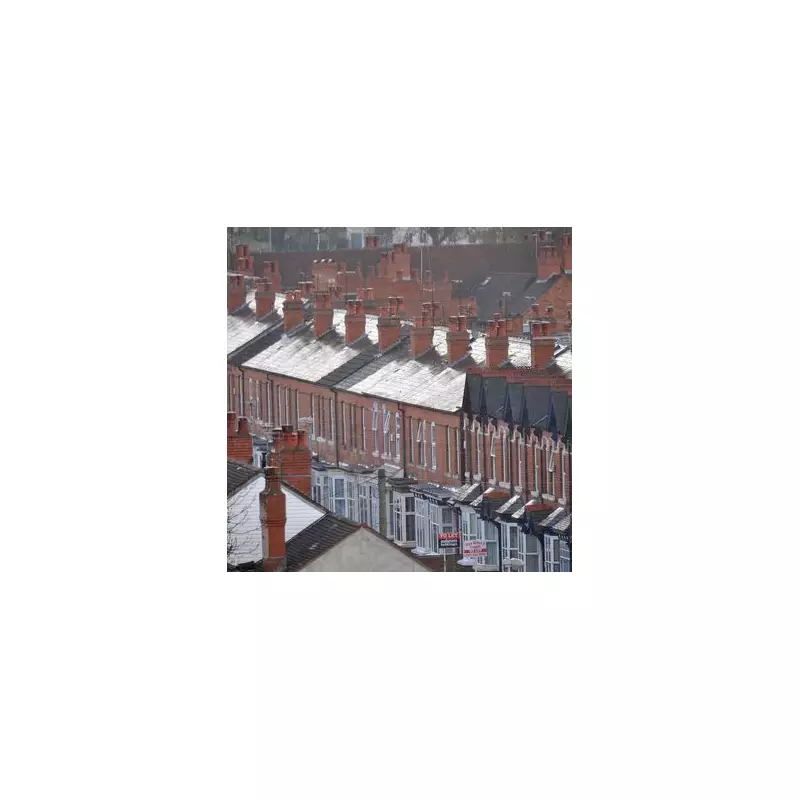
Birmingham has become the national hotspot for this type of housing, with more than 10,000 properties now operating as exempt accommodation. These are mostly former family homes converted to house over 32,000 people classed as 'hard to house'. The sector has exploded in the last five years, turning parts of the city into a dumping ground for vulnerable individuals from across the country.
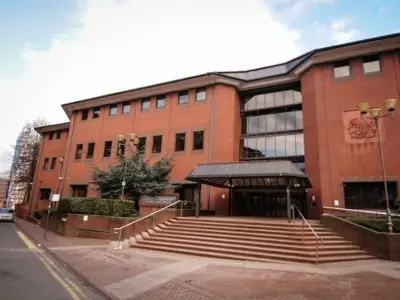
Councillor Lisa Trickett, chair of the council's homes overview and scrutiny committee, did not mince her words at the meeting on January 15. She accused the police of an 'abandonment of the public realm' and labelled the system a multi-million-pound business facilitating 'major serious fraud and crime'.
'It's a money laundering operation,' Cllr Trickett stated. 'The fact that local authority officers are being left and my communities openly left to pick this up without forceful action from the police, I think is criminal in itself.'
Police Frustration and Criminal Links
Steve Baker, the police liaison officer for the supported exempt accommodation project, told councillors he shared their frustrations. He provided the stark confirmation many had long suspected.
'I can say there is a link between all sorts of crime at all levels and organised crime groups within Birmingham and supported exempt accommodation. That is the bottom line,' Baker said. He warned the situation 'is only getting worse' and that he had been 'banging the drum' within West Midlands Police about the escalating problem.
He confirmed that work is now underway to 'address the issues' internally, with various investigations on the table. The current system allows providers to qualify for huge hikes in housing benefit – sometimes as much as £400 a week per room – by offering only 'more than minimal' support, equivalent to roughly an hour of care weekly.
Collapse, Crime, and a Delayed Solution
The human and community cost is severe. Areas with high concentrations of these properties report elevated levels of crime and anti-social behaviour. A damning report into the collapse of one managing agent, Midland Livings CIC, revealed shocking incidents including threats, harassment, break-ins, arson, and deception.
Administrators had to bring in security guards to protect intimidated, vulnerable tenants. The company, which housed around 1,000 people, is insolvent, yet its owners have opened new companies in the same sector while investigations continue.
There had been hope that the promised Supported Housing Act, backed in 2023, would close loopholes. However, its full implementation has been delayed until at least 2027. A government spokesperson said guidance would be issued to local authorities this month, but Birmingham City Council leaders have written a joint letter pressing for more urgency, so far without success.
Good providers in the sector, who aim to offer genuine support, have also railed against the influx of profit-driven companies seeing vulnerable tenants as a gateway to 'easy money'. With police now formally acknowledging the deep criminal links, the pressure for a robust and timely intervention is mounting.