The Rise of Smart Pet Feeders: A 418% Surge in Searches
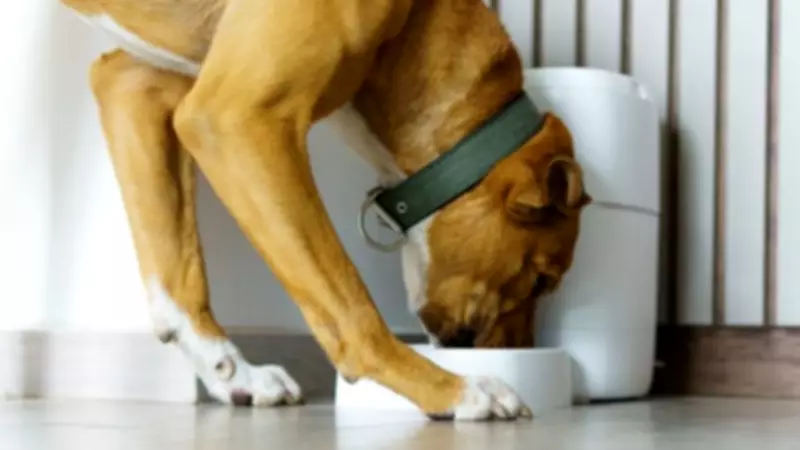
In a significant shift from traditional bowls, many pet owners are increasingly turning to high-tech gadgets to manage their dogs' feeding schedules. This trend is driven by the promise of simplifying hectic daily routines, with searches for 'smart feeder dog' rocketing by an astonishing 418% over the last year, reaching 16,000 hits in a single month alone.
However, animal behaviorist Jo Hinds issues a critical warning: while technology offers convenience, it must never replace the owner's attentive oversight. "Smart feeders can be useful in the right circumstances, but they should be seen as a tool, not a shortcut to good care," Hinds explains, emphasizing that the key to success lies in using these devices to enhance, rather than distance from, a pet's daily needs.
Balancing Convenience with Canine Care
For busy families, automatic dispensers ensure meals are never late, even when school runs or office meetings overrun. Yet, Hinds, an expert at Years, points out that the simple act of placing a bowl down often serves as the best opportunity to check if a dog is feeling unwell. "For some owners, they can help create consistency around mealtimes, support portion control, or make feeding schedules easier to manage," she says. "That can be especially helpful in busy households or where a dog benefits from routine."

But feeding time is not just about nutrition; it's a moment of connection, observation, and enrichment. It provides one of the easiest daily chances for owners to notice changes in appetite, behavior, energy, or stress levels. If considering an upgrade to a smart feeder, it's crucial to weigh the benefits against your pet's individual personality.
Key Benefits and Potential Pitfalls
Consistency is key: Dogs that thrive on a strict schedule may feel more secure knowing exactly when their food will arrive.
Weight management: These devices excel at portion control, preventing accidental 'double dinners' and helping maintain a healthy weight.
Lifestyle support: For those with shifting work patterns, technology can bridge the gap during long days, ensuring pets are fed on time.
Despite these advantages, not every dog will appreciate a robot serving their lunch. Some may find the experience stressful, becoming obsessed with the machine or developing anxiety while waiting for the mechanical click of the dispenser. Hinds notes that if a dog is always fed remotely, subtle signs—like changes in eating speed, unsettled behavior around food, or increased anxiety—can be easily missed.
"There is also the question of the individual dog," Hinds adds. "Some dogs cope perfectly well with an automatic feeder, while others may become over-focused on it, frustrated by it, or confused by the lack of human interaction around mealtimes. Dogs that are highly food-motivated, anxious, or prone to guarding behaviors may need a more careful approach."
Expert Tips for Safe and Effective Use
One often-overlooked aspect is cleanliness. Dry kibble left in a hopper for days can quickly go stale or become a breeding ground for harmful bacteria. To keep pets healthy, Hinds recommends:
- Wash regularly: Treat the feeder like a normal bowl and clean it frequently to prevent grease build-up.
- Monitor behavior: Watch how your dog reacts to the machine to ensure they aren't becoming frustrated or protective.
- Stay involved: Try to hand-feed or use a standard bowl for at least one meal a day to maintain your bond.
Ultimately, technology should work for the dog, not just the owner. "The question is not whether smart feeders are good or bad," Hinds concludes. "It is whether they are right for your dog, and whether they are being used to support care rather than distance you from it."