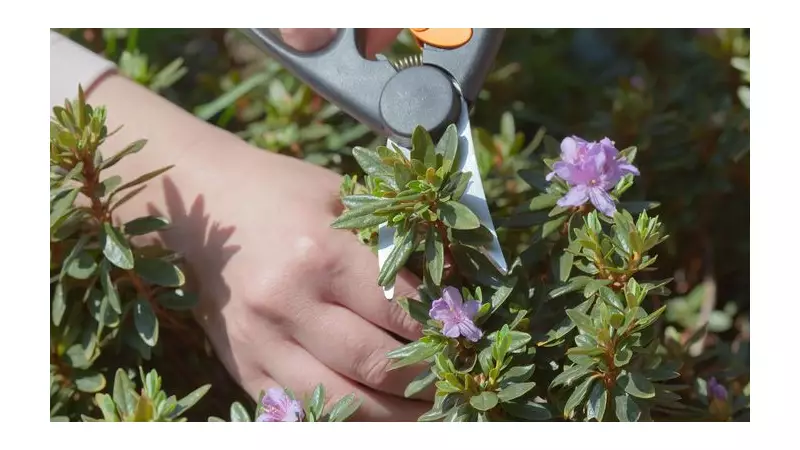
As November settles across British gardens, many green-fingered enthusiasts are tempted to grab their secateurs for one final tidy-up before winter truly arrives. However, a leading horticultural expert has issued a crucial warning that could save your spring floral display.
The Pruning Mistake That Costs Spring Blooms
Simon from the popular Walking Talking Gardeners YouTube channel explains that while November might seem like the perfect time for garden maintenance, pruning certain plants now could be disastrous. "For many gardeners, November is the month when they do their final tidy-up of the garden – putting it to bed," he said in a video that has already attracted over 4,500 views.
He acknowledges that some plants appear "rather messy" during this season and understands the temptation to give them a light trim. However, this well-intentioned action could mean sacrificing glorious blooms when spring arrives.

Plants to Leave Well Alone
Azaleas and rhododendrons top the list of plants to avoid pruning in autumn. These popular shrubs take an entire season to produce their flower buds. As soon as they finish flowering in spring, new growth emerges with tiny buds appearing in the terminal rosette at the end of each stem – though they're quite difficult to spot at this early stage.
Simon emphasises the risk: "If you cut any of these plants now, you will be removing your flowering buds for next year." Both should only be pruned immediately after their spring flowering period concludes.
Camellias, magnolias, and lilacs also require careful timing. While camellia buds are easily visible and the plant might look straggly in autumn, Simon pleads with gardeners: "You've got massive flower buds all waiting to come out in the spring – don't cut them, please don't cut them. It's really going to affect your springtime display."
The same principle applies to magnolias and lilacs. The expert advises: "Leave them alone until they've finished flowering."
Early Spring Flowering Shrubs at Risk
Another group to avoid pruning includes early spring-flowering plants that bloom on the previous season's growth. Simon explains: "You won't be removing the flowers themselves, but you will be removing the parts of the plants that will be producing the blooms in spring."
This category includes:
- Forsythia – known for its vibrant yellow spring flowers
- Ribes (flowering currants) – valued for their early blooms
- Philadelphus (mock orange) – loved for fragrant, pollen-rich flowers
Simon identifies philadelphus as "the biggest culprit of being cut at the wrong time of year" since it can look like "an absolute state" during autumn. He advises gardeners: "You've really got to steel your resolve to not go out and prune it back to a tidy shape."
Meanwhile, November gardening tasks that are perfectly safe include sweeping up fallen leaves and planting tulip bulbs for spring colour. Several retailers are currently offering bulb collections and planting tools to make these jobs easier.
The expert's advice has resonated with viewers, with one commenter noting: "There seems to be at least two types of gardeners out there: those that love things extra neat and tidy and those that sort of go natural." Another grateful viewer wrote: "With your help I've learned what I should cut back and what to leave alone and I'm grateful for the guidance!"