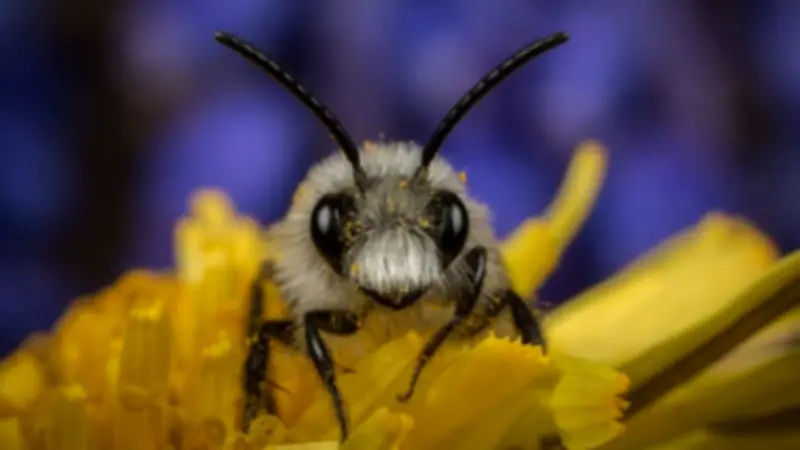
Britain's garden pollinators are far more varied than many might think, yet almost all of them need a helping hand this season. A new national initiative from Flying Flowers is shedding light on native species to help people protect the insects keeping the countryside alive.
Recognising pollinators in your garden
Recognising what is buzzing around a lawn is a brilliant way to feel more connected to the changing seasons in one's own garden. Taking a moment to notice these small details helps people appreciate how much everyday green spaces sustain wider wildlife. By making a few tiny changes to how yards are managed, each person can easily turn a quiet patch of grass into a thriving haven. Supporting these essential insects ensures flowers, crops, and local parks will continue to flourish for years to come.
Solitary bees: the majority of UK bee species
Solitary bees account for nine out of ten bees in the country, with more than 260 distinct types making their homes across the UK. However, delicate populations like the Wall Mason Bee are coming under real strain and are now marked as rare on national warning lists. These solitary species can usually be spotted by their warm orange-brown fur or the bold black and white stripes found on the Ashy Mining Bee. Unlike social bees, these creatures nest entirely alone inside ground burrows or small gaps in old brickwork. Gardeners can offer crucial refuge by setting up simple wooden bee hotels packed with hollow stems. These compact structures give female solitary bees a safe, quiet place to lay their eggs undisturbed.

Bumblebees and honeybees: distinct populations under threat
Bumblebees are easy to recognise thanks to their round, furry bodies, though numbers of the Red-tailed Bumblebee dropped by a shocking 74% in 2024. Most prefer nesting in quiet places like compost heaps, bird boxes, or underneath garden decking. Meanwhile, honeybees are much sleeker, with slender golden-brown bodies that often lead people to mistake them for wasps. Most wild honeybee colonies have quietly disappeared, meaning the majority seen today are looked after by local beekeepers. Planting patches of crocus, foxglove, and honeysuckle gives these visitors the steady food supply they desperately need. At the same time, keeping an eye out for invasive Asian hornets helps protect active hives from being wiped out.
Expert advice and the Flying Flowers campaign
Beekeeper and BBKA member Donya Donger said: “Every bee type has completely different nesting habits, foraging preferences, and environmental threats, so it is vital that we recognise different species in order to protect them. Learning to tell them apart allows everyday gardeners to move past generic fixes and offer the exact flowers, nesting habitats, and protection each unique pollinator needs to thrive.” Eleanor Agnew, pollinator expert at Flying Flowers, added: “The rise in threats like Asian hornets and loss of wildflowers is a serious concern for Britain’s pollinators. Bees play a vital role in our ecosystems, supporting the plants, crops and wildlife that depend on them. Being able to identify a solitary bee from a honey bee is a small but mighty step towards hopefully reducing the number of colony losses we are seeing across the country.” The team at Flying Flowers has launched a new campaign calling on households to pledge a small patch of wild space for local pollinators, a simple step that could make a massive difference to the insects visiting gardens this year.