As summer temperatures climb, many gardeners return from holiday to find their beloved displays scorched and wilting. But according to Julian Palphramand, head of plants at British Garden Centres, the UK's largest family-owned garden centre group, the trick lies in choosing flora that actively welcomes drier conditions. By selecting the right varieties, you can cultivate a stunning, resilient sanctuary without the constant worry of watering.
Palphramand, who has spent decades advising gardeners, shares his top five water-wise plants that will flourish even when the heavens stay shut. From Mediterranean herbs to architectural perennials, these species are built to withstand heat and drought while keeping your outdoor space bursting with colour.
Agapanthus: The Heat-Loving Showstopper
This striking South African perennial, commonly known as the African lily, rewards gardeners with large, drumstick-shaped blue flowerheads during the sunniest months. While the deep blue hues are the most popular, white and pale pink varieties also exist, allowing you to match your garden design effortlessly.

"It has relatively fleshy leaves, loves heat and doesn't like cold or wet, so the hotter the better," Palphramand explains. "The less moisture that's in and around the top of the roots for any long periods is a good thing." He recommends planting agapanthus in pots because they prefer constricted root structures. "If you have a real hot, sunny location on a patio or at the front of the house, agapanthus is a perfect one and the flowers last for ages," he adds.
Achillea (Yarrow): A Repeat-Flowering Perennial
This traditional favourite absolutely thrives in bright sunlight and free-draining soil. It copes admirably with prolonged dry spells, rewarding you with a continuous explosion of colour across borders. The native wild variety produces flat clusters of cream, white, or soft pink blossoms, while modern cultivars introduce rich terracotta oranges and warm golden shades.
"This is a classic perennial that adores full sun and well-drained soil, so not much water," says Palphramand. "It is drought-tolerant, and the flowers just keep going. If you cut it back after flowering – do the Chelsea chop – you'll probably get two, if not three, flowering repeats." Compact pot-friendly series like Milly Rock and taller border varieties such as Achillea millefolium offer flexibility for any garden layout.
Sedum: A Pollinator's Delight
Sedums, with their distinctive fleshy leaves, can divide opinion. "Sedums to some people are a bit of a Marmite plant, a bit like euphorbias", Palphramand admits. "People sometimes don't like the fleshiness of them but I love them, and so do garden pollinators." During late summer and autumn, when many other plants have finished blooming, sedums provide essential pollen. "They will tolerate being in full sun with very little water. They remain upright," he notes.
There are rockery varieties, upright ones like 'Autumn Joy', and creeping, rambling stonecrop types that stay close to the ground. To achieve the most abundant flowers, sun is non-negotiable. "Sedums won't flower as prolifically if there isn't much sun," Palphramand continues. "The sunnier it is, the more flowers you'll get and the longer the flowers will last."
Eryngium (Sea Holly) and Echinops (Blue Globe Thistle)
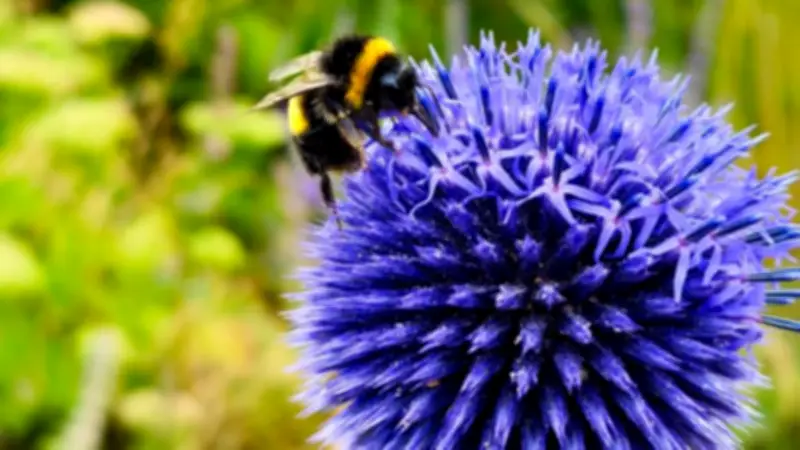
These architectural, prickly beauties excel in exposed, sunny positions with poor, rapidly draining soil. They adapt well to gravelly, sandy, or chalky spots where many other plants would struggle. Their deep, sturdy taproots anchor them firmly and draw moisture from far below the surface, while the striking blue clusters attract bees throughout the summer.
Both eryngium and echinops are perfect for adding texture and drama to a low-water garden, standing proud even in the most unforgiving heat.
Certain Herbs: Mediterranean Survivors
Sun-drenched spots are ideal for aromatic herbs such as lavender, rosemary, thyme, and oregano. They flourish in containers, but Palphramand advises a quick move before holiday: "They won't suffer from being in the sun, but they will suffer from a lack of water if you are away longer than a week."

His ingenious tip is to bring them indoors. "You might even consider bringing them inside and treating them like a houseplant while you're away because there's not going to be any heating on and the house might not be as hot as the sunny location outside." Place them on a bright, north-facing windowsill to shield them from direct scorching rays while maintaining ambient light.
Holiday Watering Tips for Your Garden
Beyond choosing resilient plants, Palphramand shares practical advice for keeping your garden healthy while you bask on the beach:
- Ask for help: A friendly neighbour or relative can pop over and check on your pots.
- Group your containers: Cluster pots together and move them to a cooler, north-facing wall to reduce water loss.
- Drench them fully: Give everything a thorough, deep watering before leaving instead of light sprinkles.
- Use deep saucers: Place patio containers on wide trays to catch excess water, allowing roots to drink from below.
- Spread some mulch: Layer organic matter like bark chips, straw, or compost over bare soil to lock in moisture.
- Create temporary shade: Protect treasured specimens with lightweight shade netting to prevent burning.
By incorporating these five plant groups and following these holiday tips, you can enjoy a vibrant garden that stays beautiful all summer long — even if the rain never makes an appearance. For more inspiration, visit your local British Garden Centres or their online gardening hub.