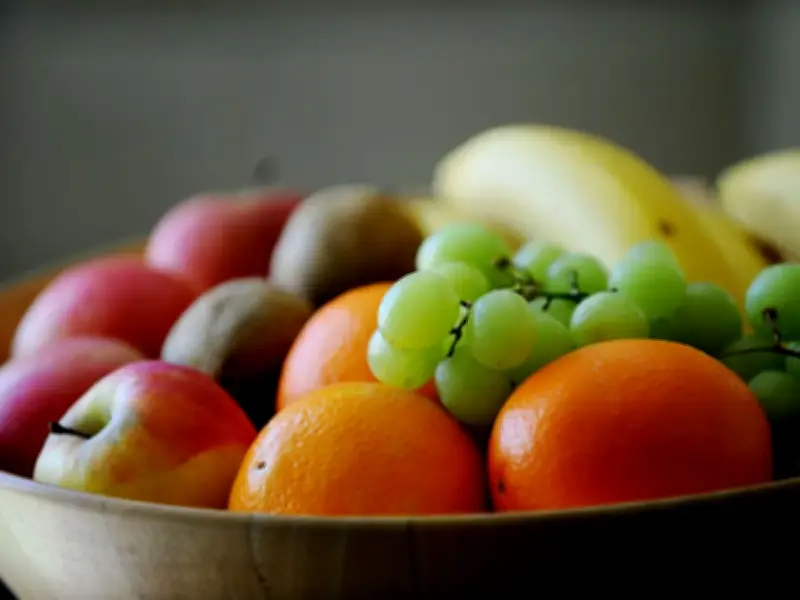
Keeping fruit fresh comes down to managing three environmental factors: moisture, temperature, and ethylene gas, the natural plant hormone that triggers ripening. Different fruits thrive under completely different conditions, so knowing where and how to store each staple can significantly extend its shelf life. Berries, grapes, bananas, apples, avocados, and more can all last considerably longer than expected under the right conditions.
Berries and grapes: moisture control is key
Berries are among the most delicate fruits and succumb quickly to mould if exposed to moisture. Do not wash berries until right before you eat them. To maximize their lifespan, soak them briefly in a mixture of three parts water to one part white vinegar to kill surface mould spores, then thoroughly air-dry them on a paper towel. Store them in airtight glass jars lined with a dry paper towel in the main fridge compartment.
Grapes should stay in their ventilated plastic bag or a breathable container in the fridge crisper drawer. This helps maintain the right humidity while preventing excess moisture buildup.

Bananas: managing ethylene gas
Bananas release high levels of ethylene gas, primarily through their stems, which causes them to ripen and spoil rapidly. To slow this process, keep bananas separated from other fruits and wrap the stem cluster tightly in cling film or aluminium foil. If you want them to last even longer, separate the bunch into individual bananas and wrap each stem individually.
Once bananas reach your ideal level of ripeness, you can move them to the fridge. While the peel will turn dark brown, the inner flesh will remain firm and sweet for several more days.
Apples, pears, and citrus: cold storage benefits
Apples are heavy ethylene producers and stay crisp longest when kept cold. Stored on the countertop, apples will soften within a week, but placed in the crisper drawer of your refrigerator, they can remain fresh for up to two months. Keep them in a plastic bag with small vents to retain humidity while allowing ethylene gas to escape.
Pears should be kept on the counter until they yield slightly to gentle pressure near the stem, after which transferring them to the fridge will pause their ripening. Citrus fruits like lemons, limes, oranges, and grapefruits keep reasonably well at room temperature for a week, but they tend to dry out and lose juice over time. To stretch their shelf life to a month or more, place them in a sealed plastic bag or container in the refrigerator crisper drawer. Adding a damp paper towel inside the bag helps maintain high humidity, preventing the skins from hardening and preserving maximum juice.
Avocados, stone fruit, tomatoes, and melons
Peaches, plums, nectarines, and avocados follow a two-step storage rule. Keep them on the kitchen counter at room temperature until they soften to your preferred tenderness. Once ripe, move them straight to the refrigerator to lock in that exact stage of ripeness for another three to five days. For cut avocados, brush the exposed flesh with lemon juice or olive oil and store it skin-side down in an airtight container to minimise browning.
Although often treated as vegetables in cooking, tomatoes are fruits that are extremely sensitive to cold temperatures. Refrigerating un-cut tomatoes destroys their texture and dulls their flavour compound synthesis, turning the flesh mealy. Store whole tomatoes stem-side down on the counter away from direct sunlight. Whole melons, like watermelon, should also stay on the counter until cut, after which you should cover the exposed flesh tightly with plastic wrap and refrigerate immediately.