As winter begins to wane, February presents gardeners across the UK with a golden opportunity to lay the groundwork for a vibrant and productive spring. While the outdoors may still be gripped by frost or saturated with rain, there is a wealth of tasks that can be tackled indoors or during milder spells to ensure your garden thrives in the coming months.
Indoor Gardening Essentials
Gardening expert Hannah Stephenson emphasises the importance of maximising light for houseplants during this period. She advises moving them closer to windows to capture the strengthening sunlight, while ensuring they are shielded from cold draughts. Regularly dusting the leaves is crucial, as it enhances photosynthesis, allowing plants to make the most of the available light.
Before reaching for the watering can, perform a simple soil test by inserting a finger into the compost. If damp soil clings to your skin, the plant likely has sufficient moisture. Overwatering can be as detrimental as neglect, so this check is a vital part of winter plant care.

Early Seed Sowing for Flowers and Vegetables
Sowing seeds indoors is a timely and rewarding February activity. For a colourful summer display, consider starting cosmos, salvias, and sweet peas. Vegetable enthusiasts can get a head start by planting tomatoes and chillies on a sunny windowsill. Even hardier crops like kale, peas, and leeks can be begun indoors now.
In milder regions, if the soil is neither frozen nor waterlogged, you might attempt sowing broad beans, cabbages, carrots, and parsnips outdoors under protective cloches. However, Hannah Stephenson cautions that if conditions are unsuitable, it is wiser to wait until March when temperatures have risen slightly.
Preparing Potatoes and Planting Bare-Root Specimens
Early seed potatoes, often destined to become new potatoes, benefit from a process called 'chitting'. Place them with the 'eyes' facing upwards in egg boxes or seed trays on a windowsill with indirect light. Once sprouts reach approximately 2cm, they are ready for planting in the ground or in potato sacks.
February is also an ideal time to plant bare-root roses, shrubs, and fruit bushes. While their appearance may be less impressive than potted alternatives, they are typically more economical, of better quality, and an environmentally friendly choice. Provided the ground is workable, planting now allows them to establish strong root systems well ahead of summer.
Pruning and Garden Maintenance
Pruning is a key task this month. Trim back winter-flowering shrubs like winter jasmine once their blooms have faded. Later in February, you can prune roses, along with Group II and Group III clematis, wisteria, and summer-flowering shrubs such as buddleia and Hydrangea paniculata, which bloom on new growth.
Fruit bushes like blackcurrants and gooseberries can be tidied to create a better structure. Deciduous hedges should be trimmed before birds begin nesting in March. Cut back perennials and ornamental grasses to encourage fresh growth, but delay pruning spring-flowering shrubs like forsythia until after they have bloomed.
Revitalising Plants and Starting Summer Bulbs
Container-grown violas and pansies often look weary after winter. Deadheading them now can spur a revival in spring. Apply the same technique to early flowering primulas and clear any fallen leaves from planters to remove hiding places for slugs and snails.
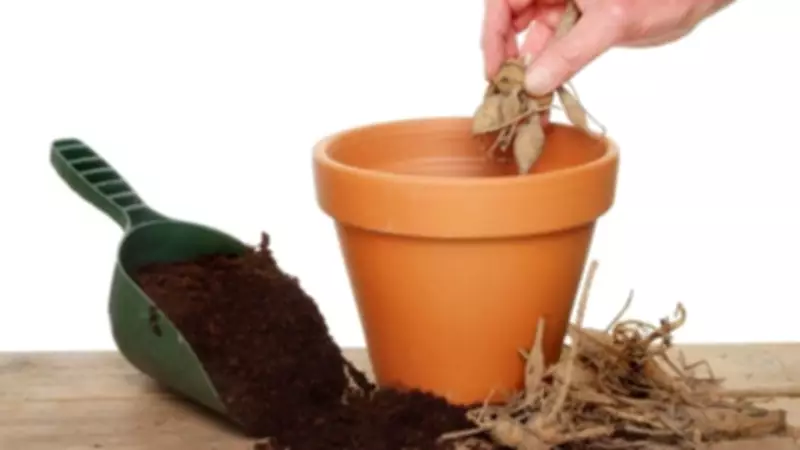
For a spectacular summer display, start dahlia tubers and lily bulbs in pots placed in a bright, sheltered spot like a greenhouse, keeping the compost moist. Gladioli corms can be given a head start by planting them in seed trays in a warm, light location until they show signs of growth.
Protection, Soil Preparation, and Tool Care
February can still bring harsh cold and wind. Ensure any protective covers, such as horticultural fleece or netting, are securely in place over vulnerable plants and containers.
Preparing the soil is essential for successful sowing. Warming the ground beforehand using materials like cardboard, old fabric, bubble wrap, or cloches can shield it from the worst weather and give seedlings the best start. Applying a layer of organic mulch around trees, shrubs, and fruit bushes enriches the soil and insulates root systems.

Finally, dedicate time to cleaning and oiling garden tools. Well-maintained tools perform better and last longer. Check if your lawnmower requires servicing and give plant pots a thorough wash in preparation for the busy seed-sowing season ahead.