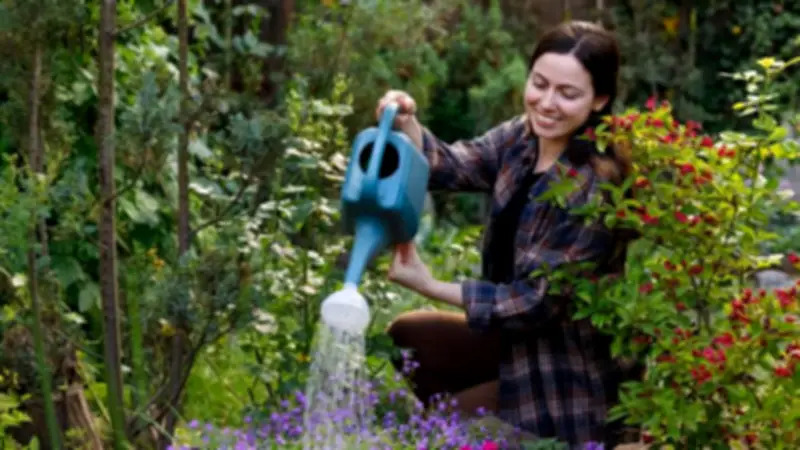
With drought conditions officially declared across all of Wales and half of England, gardens are under severe stress from parched soil, drooping plants, and brown lawns. Several water companies, including Anglian Water, Cambridge Water, Thames Water, South East Water, and South West Water, have implemented hosepipe bans to conserve supplies. While a dry, sad-looking garden might feel like a badge of honour for not using a sprinkler, it can be disheartening if you've invested months of care and money into your outdoor space. However, you don't have to let your hard work go to waste—there are effective ways to keep your garden in good shape even without a hosepipe.
Watering Can: The Simple Solution
Mark Dwelly, head gardener at retirement village Audley Stanbridge Earls, recommends going back to basics. "Using a watering can is the easiest and most effective way to water your plants during a hosepipe ban," he says. He advises using water from a water butt first, and once that's empty, fill the can from a tap. This method ensures you're using water efficiently and targeting exactly where it's needed.
Collect Grey Water from Your Home
Don't let water go down the drain when it could benefit your plants. Matt Adams, lead gardener at The Relentless Gardener, suggests placing a bucket in the shower to collect water as you bathe. You can also collect grey water from the dishwasher and washing machine. This simple habit can provide a surprising amount of water for your garden during a ban.

Water Early or Late to Minimise Evaporation
Timing is crucial. Dwelly recommends watering either first thing in the morning or at sunset. "If you water your plants around midday, the water will evaporate a lot quicker due to the high temperatures," he explains. "Whereas, when it’s cool during the early mornings and late evenings, the plants will absorb it a little bit quicker and won’t dry out quite as quick."
Focus on the Soil, Not the Leaves
Instead of sprinkling water over foliage, direct it to the roots. "Make sure you water the base rather than just over the foliage, so that the water definitely gets into the soil," says Dwelly. Also, consider how often you water, not just where. Plants like hydrangeas, roses, and salvia benefit from a periodic, thorough soak rather than a small daily amount. "They don't need wet roots constantly, but they do benefit from a good deep watering every now and again," he adds.
Prioritise Plants That Suffer Most
Not all plants are equally affected by heat. Dwelly points out that "flowers like hydrangeas do tend to suffer a bit in the heat and go a bit floppy, so they are quite thirsty plants that need lots of water at the roots." Roses and crocosmia also struggle in dry conditions. On the flip side, some plants are naturally drought-tolerant. "Plants like salvia, lavender, agastache and penstemon don’t necessarily need as much watering as they can tolerate really dry soil," says Adams. Choosing drought-resistant varieties can significantly reduce the pressure on your water supply.
Lock in Moisture with Mulch and Manure
Adams suggests using farmyard manure on flower beds to help retain moisture, though it's not suitable for all plants. A good mulch, such as bark chippings, also prevents soil from drying out too quickly. "We usually mulch around April when there's still moisture in the soil," he says. Even if you haven't mulched yet, it's not too late—a thin layer can make a difference during a heatwave.
Move Pots to Shade
Container plants are especially vulnerable because they have limited soil to draw moisture from. Dwelly recommends moving pots on castor wheels into the shade or covering them with a light fleece. This slows down evaporation and helps compost stay moist longer.
Let Your Lawn Grow Longer
Resist the urge to give your lawn a close cut. "Don't mow the grass right down to the soil," says Adams. "If you are going to mow it, do it on the highest setting. When the grass is longer, the roots go further down into the soil, which means they can draw a little more moisture from deeper down." Alternatively, let it grow until the weather cools.
By following these expert tips, you can keep your garden thriving despite the restrictions. And with summers expected to get hotter and drier, adopting these practices now can help mitigate future damage.