British Garden Centres Unveils Essential Soil Guide for Spring Gardeners
As spring arrives, many gardeners are eager to transform their outdoor spaces with perennials, furniture, and dream designs. However, the soil in garden beds often presents challenges, appearing stickier, grittier, or chalkier than depicted in online photos or TV shows. Understanding soil types can be daunting for beginners but is crucial for plant health and success. To demystify this aspect of gardening, British Garden Centres has compiled a comprehensive guide to the five most common soil types, offering insights on identification, advantages, drawbacks, practical tips, and ideal plant selections.
How to Test Your Soil with the Simple Squeeze Method
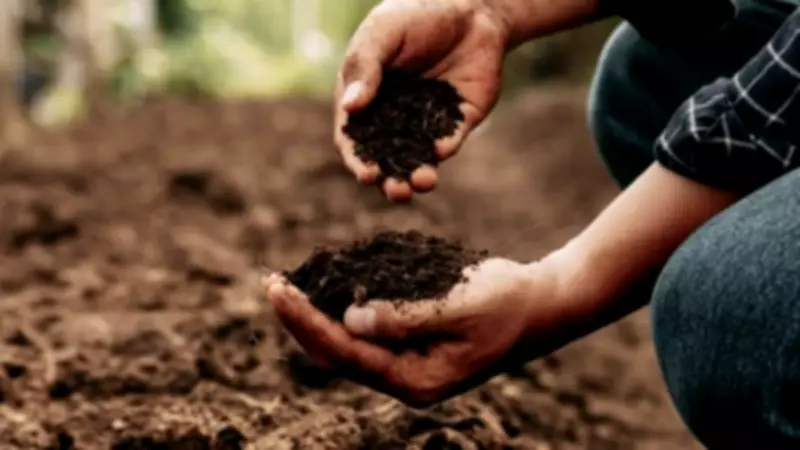
The easiest way to determine your soil type is through the squeeze test. Take a damp handful of soil and squeeze it into a ball to observe its behavior:
- Clay: Forms a solid, sticky ball easily.
- Sand: Crumbles and falls apart when attempting to form a ball.
- Silt: Has a slippery texture and resists clumping.
- Chalk: Shows visible small pieces of white chalk and flint.
- Loam: Holds shape but breaks easily, balancing between clay and sand.
1. Clay Soil: Fertile but Challenging
Clay soil becomes claggy when wet and cracks or hardens in hot weather. It is often soft in spring and summer but difficult to work in winter due to poor drainage. Despite these issues, clay retains water well and can be highly fertile. To improve it, incorporate bulky organic matter such as compost or manure, along with sand and grit to enhance aeration. This soil type is best suited for plants like roses, euphorbia, hydrangea macrophylla, forsythia, and geraniums.

2. Sandy Soil: Free-Draining yet Nutrient-Poor
Sandy soil offers excellent drainage and warms up quickly in summer, facilitating easy root establishment for plants. However, it loses nutrients rapidly and has poor water retention. Gardeners should provide regular watering and fertiliser applications to support optimal growth. Ideal plants for sandy soil include star jasmine, dianthus, buddleia, lavender, and rosemary.
3. Silty Soil: Fertile but Prone to Waterlogging
Silty soil is very fertile, retaining more nutrients than sand and holding moisture effectively with a silky texture. While it supports most plants well, its main disadvantage is susceptibility to waterlogging. To prevent this, avoid overwatering and aerate the ground as needed. Recommended plants for silty soil are magnolia, hellebores, ferns, alliums, and snowdrops.
4. Chalky Soil: Alkaline and Fast-Draining
Chalky soil is stony and lumpy with high alkalinity, often thin and prone to rapid mineral and water drainage, leading to drying out in summer and potential poor growth or yellowing leaves. It is vital to feed plants regularly and add organic matter annually when planting directly into chalky soil. Suitable plants include lily of the valley, polemonium, lavender, clematis, and peonies.
5. Loamy Soil: The Ideal All-Rounder
Loamy soil, a combination of sand, silt, and clay, is considered the perfect soil type. It avoids waterlogging, is easy to dig, and is rich in nutrients, holding moisture and food effectively. With very few disadvantages, almost all plants thrive in loamy soil. Gardeners can enjoy growing a wide variety, such as carrots, tomatoes, delphiniums, foxgloves, and wisteria.
This guide from British Garden Centres aims to empower gardeners with the knowledge to tackle soil challenges and cultivate thriving gardens this spring season.