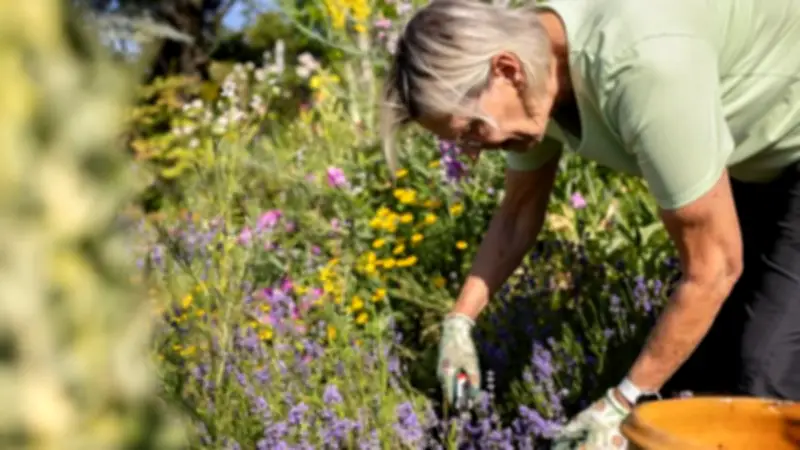
With summer's scorching temperatures leaving many gardens baked dry, households are reaching for their shears to clear dead growth. But a gardening specialist from trade site MyBuilder.com says fallen plant material serves as a nitrogen-rich natural fertiliser, describing the cuttings as 'green gold'. The process is straightforward: just leave the trimmings on the ground rather than clearing them away.
Why Leaving Clippings Helps Your Garden
Cuttings left on beds offer several benefits, such as serving as a protective layer that helps retain any remaining moisture. As the organic matter breaks down, it enriches the soil, reducing the need for shop-bought feeds while suppressing weeds and unwanted pests. This approach also saves energy and money, as clearing away garden waste often feels like a chore.
Ellen Fletcher, an expert gardener from MyBuilder.com, said that many professional gardeners view clippings as 'green gold'. "There's a genuine benefit to leaving clippings where they fall - it sounds so simple, but it's a very effective way to help your garden," she said.

"Bare earth is the enemy of gardeners, as it significantly dehydrates the ground. I'd always advise laying mulch in any area that's bare - and what better way than to use the organic matter that needs to be clipped from your plants anyway?"
"It's a really simple tip, but one that I recommend to everyone. It also saves time when you're trying to manage your gardens - picking up clippings can be a very laborious job - so save yourself the effort and use your green gold," Fletcher added.
Expert Tips for Effective Mulching
Fletcher offers several tips for gardeners. First, don't use clippings with seeds unless you want new plants all over the place. Second, apply clippings in thin layers, ideally one to two inches maximum. Third, mix up green and brown matter: where possible, mulch should include both 'green' (grass cuttings, growing plants) and 'brown' (twigs, dead plants) matter, with an ideal ratio of about a third green to two-thirds brown.
Fourth, watch out for nests: major pruning is best left to early autumn when nesting season should be well and truly over. If you're starting early, look out for nesting animals. If you find any, wait to prune until the nest is no longer in use.
Make Your Own Liquid Feed
If the thought of leaving clippings in the garden makes you twitch, you can use them to make a liquid fertiliser. Making organic liquid fertiliser (often called 'liquid compost tea' or 'weed tea') in a five-gallon (10-litre) bucket is one of the easiest ways to give your garden a free nutrient boost.
Half-fill the bucket with organic matter, then top up with water (preferably non-chlorinated or tap water left uncovered for 24 hours), leaving a few inches of headroom at the top. Cover the mixture with a breathable lid and stir once a day to introduce oxygen and reduce unpleasant odours. Once a couple of weeks have passed, drain the mixture through a strainer, add the remaining solids to your compost bin, and store the liquid fertiliser ready for use.
When making the brew, avoid diseased plants and weed seeds: do not use weeds that have gone to seed or plants infected with blight or mildew. The brew should smell earthy; if it smells strongly like sewage or sulfur, it went anaerobic (lacked oxygen). In that case, dilute it heavily (1:20) and apply it to non-edible plants or soil away from leaf zones. Also, avoid raw animal manure: do not use dog, cat, or pig waste in household bucket brews due to harmful pathogens.