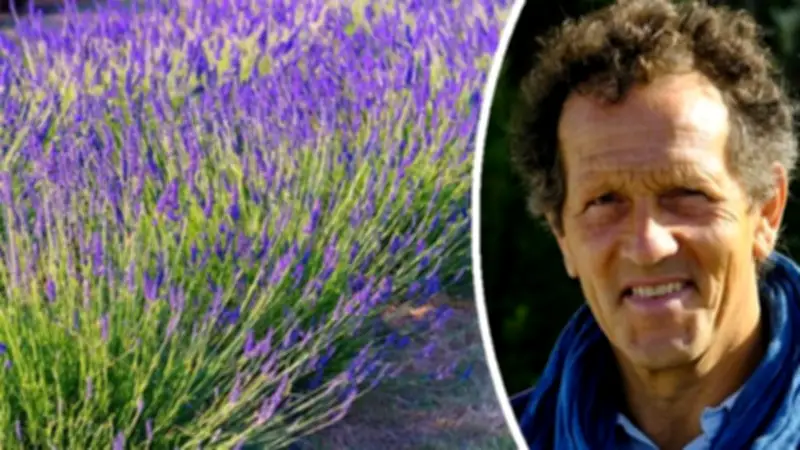
Gardening expert Monty Don has issued a timely reminder for gardeners to prune their lavender as the summer draws to a close. This essential task, if done correctly, will keep the plant healthy, compact, and full of fragrant flowers for years to come.
Why pruning lavender is crucial
Without regular pruning, lavender plants can become 'woody and leggy', with bare stems at the base and fewer blooms. Even younger plants benefit from a trim to encourage bushier growth. The key is to act at the right time – as soon as the flowers begin to fade.
According to Monty Don, writing in his monthly blog, "The best time to do this is as soon as the flowers start to fade, which, depending on the variety, can be any time between midsummer and the end of August." He stressed not to wait for seed heads to form or flowers to turn brown, as you want to allow maximum time for regrowth before winter.

How to prune lavender correctly
Monty recommends trimming the plant by about a third into a 'good compact shape'. Crucially, leave some green shoots on each stem, as lavender struggles to regrow from old, bare wood. These fresh tips are vital for a healthy recovery.
As Monty explained: "These new shoots will grow fast and provide an attractive and healthy cover to protect the plant in winter and provide the basis of next year's display." If you miss the September window, it's better to wait until spring, especially for less hardy varieties like French, Spanish, and Italian lavender, which are more vulnerable to cold.
Other plants to prune now
Lavender isn't the only plant that benefits from attention at this time of year. Monty also advises pruning mature apple and pear trees that have become 'too large or crowded'. He noted: "Unlike winter pruning, done when the tree is dormant, this hard cutting back will not stimulate vigorous regrowth."
Rambling roses, which have typically finished blooming by now, can also be pruned. Monty suggests identifying whether your rose is a climber or rambler: "Ramblers tend to be much more vigorous and always have a mass of small flowers that never repeat once they have finished." However, if your ramblers produce attractive rose hips, consider leaving a few flowers to provide autumn and winter colour and food for wildlife.
Fruit bushes: gooseberries, redcurrants, and blackcurrants
Finally, gooseberry and redcurrant bushes can be tidied up after harvesting. Remove new growth crowding the centre, then trim remaining new shoots by roughly a third. Monty says: "This will let light and air into the plant, encouraging the wood to ripen and spurs to form, which will carry next year's fruits."
For blackcurrants, Monty advises a harder prune: "Remove up to a third of each bush immediately after harvest." This encourages vigorous new growth and a better crop next year.
Following these expert tips will ensure your garden remains productive and attractive through autumn and into the next growing season.