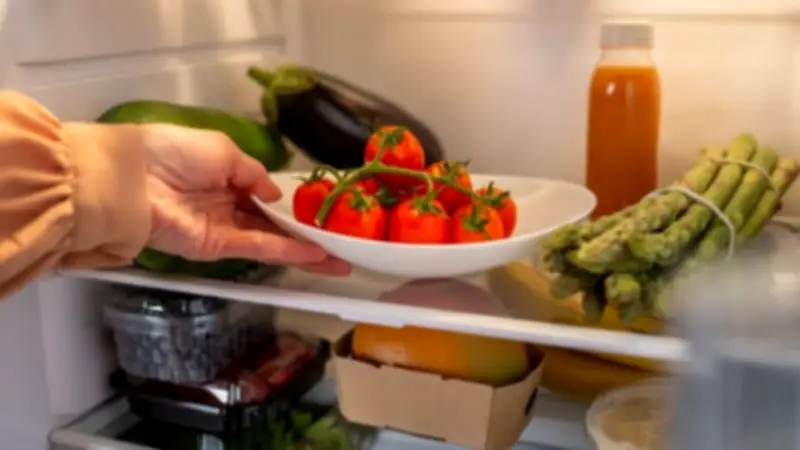
August is the peak of tomato season, with gardeners picking them daily and supermarket shelves piled high with a colourful array of varieties. This late-summer surplus often leaves fridges overflowing as people decide how best to use their haul. While tomatoes are wonderfully versatile for cooking down into rich pasta sauces or roasting for freezer soup bases, many would argue they are most delicious eaten raw in salads. Ideally, they should be plump, sweet and bursting with flavour – but that is not always the case.
If your tomatoes have been tasting bland and watery, the problem may not be the fruit itself but how and where you are storing them. Certain common storage mistakes can strip tomatoes of their flavour and cause them to turn mushy far sooner than they should. According to a foodie on social media, the worst thing you can do is pop them straight into the fridge to keep them fresh.
The Cold Kills Flavour Enzymes
Mika Gio, who shares tips from culinary school on Instagram, wrote: "You’re ruining your tomatoes without realising it." She explained: "Most people don't know this, but you should never store tomatoes in the fridge. Cold temperatures kill the enzymes that build its flavour, that's the reason your tomatoes taste bland and watery." The cold also destroys their texture, turning the flesh mealy.

Instead of refrigerating them, Mika advises keeping tomatoes at room temperature, away from direct sunlight, and resting them stem-side down. Turning tomatoes upside down helps prevent moisture loss and bruising, as well as blocking oxygen and bacteria from entering through the scar where they were once attached to the vine. Experts claim this method could extend the shelf-life of your tomatoes by up to a week, reports the Express.
Social Media Reaction and Exceptions
Mika's post has garnered more than 103,000 likes, with many people admitting they had not realised the difference it could make. One follower commented: "You changed the way I see tomatoes," while another added: "Thanks for such food waste reduction tips."
While this advice holds for unripe and whole tomatoes at peak ripeness, it does not apply to over-ripe or cut tomatoes. These should be stored in the fridge to slow decay and then brought back to room temperature before eating. If you want to speed up ripening, tomatoes do not actually need sunlight; placing them in a brown paper bag at room temperature works well – and it works even better if you add a ripe banana, as the ethylene produced accelerates softening and colour development.