The Office for National Statistics (ONS) has released new data revealing that happiness levels in Willenhall stand at 7.3 out of 10, falling short of the UK average of 7.5. The figure, which applies to the Walsall borough, also lags behind neighbouring Black Country towns like Dudley, Sandwell, and Wolverhampton.
Residents Speak Out on Neglect
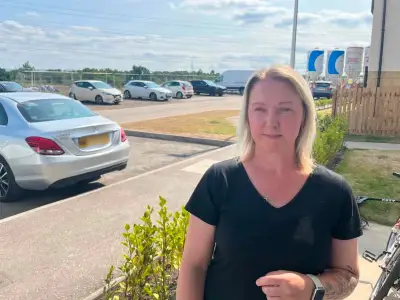
During a recent visit by BirminghamLive, many locals expressed frustration over the town's perceived lack of investment. A 53-year-old woman from nearby Bentley said: "No money is being spent here and there's no infrastructure. We need housing, it's becoming too expensive for people. I feel all the money goes to London and places like that. We need more money to invest in the West Midlands. There's not enough being spent to help people who are struggling or who are homeless. We feel left out, very much so."
Contrasting Views on Willenhall's Appeal
However, not all residents share this negative view. Melanie Sands, 52, believes Willenhall has more to offer than nearby Walsall. She stated: "I'm from Walsall but I come to Willenhall for shopping and the gym. It is a nice area, much better than Walsall. To me, it is the new Walsall. Walsall has gone downhill, Willenhall has gone up. My daughter lives here, if I got the right house I'd move here."

Historic Charm Meets Modern Challenges
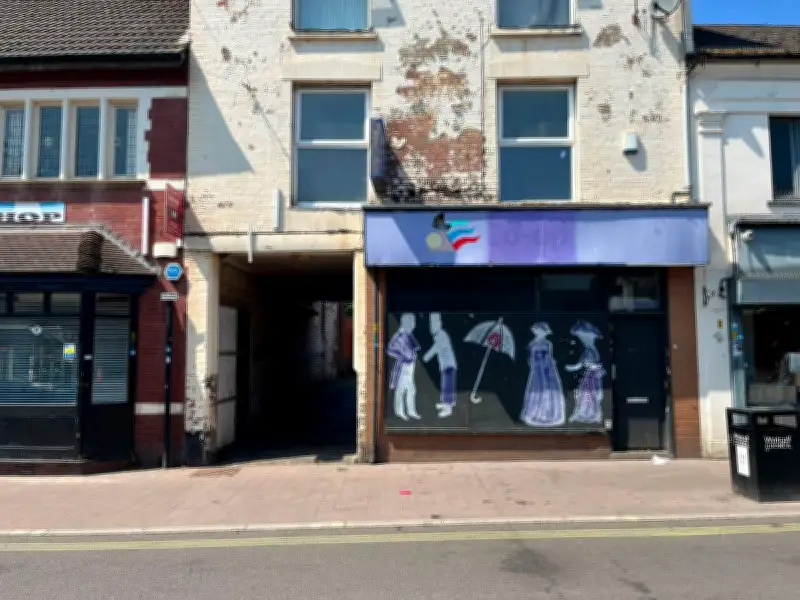
Willenhall, once a thriving lock-making town, still retains its heritage with landmarks like the Memorial Clock, built in 1892. The town centre features Tudor-style buildings and alleyways, but also faces issues such as fly-tipping and litter. Councillor Simran Cheema expressed concern over rubbish piled up in a driveway off Market Place, reporting the incident to Walsall Council. Despite these challenges, businesses like Conway's Butchers continue to operate, and the Wood Street Cemetery offers a peaceful retreat.
The mixed opinions among residents highlight a divide in perceptions of the town's trajectory. While some feel left behind, others see potential and a community worth investing in. The ONS data underscores a broader regional disparity in well-being, with the West Midlands often ranking lower in happiness metrics compared to other parts of the UK.