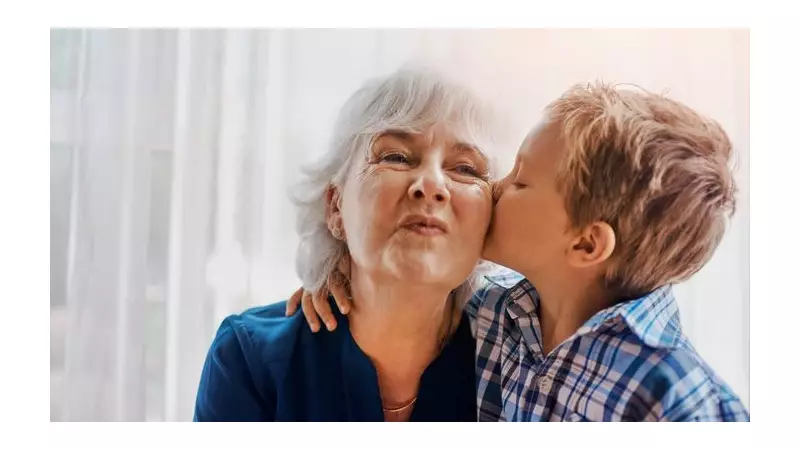
Spending meaningful time caring for grandchildren could hold the key to preserving mental sharpness and combating memory loss in later years. Emerging scientific evidence indicates that taking on a caregiving role delivers a substantial cognitive boost that may protect the brain from age-related decline.
Major Study Reveals Cognitive Benefits
A significant investigation involving adults across England has discovered that grandparents who look after their grandchildren demonstrate markedly superior cognitive abilities compared to those without such responsibilities. The research, drawing from the extensive English Longitudinal Study of Ageing (ELSA), which monitors the health and social wellbeing of individuals over 50, analysed data from nearly 3,000 participants over a six-year period.
Grandmothers, who studies indicate typically provide more care than grandfathers, showed a particularly notable slowing in cognitive decline. This comprehensive analysis has mapped the tangible advantages of being actively involved in a grandchild's daily life.

Measuring Mental Performance
Participants in the study engaged in diverse caregiving activities, including school runs, meal preparation, homework assistance, and overnight stays. To assess the impact on brain function, researchers employed verbal fluency challenges and memory tests involving word recall, tracking performance changes over time.
The findings revealed consistent benefits across all participants, showing that any level of childcare involvement resulted in higher scores for both memory retention and communication skills. Those providing care demonstrated enhanced cognitive maintenance throughout the study period.
The Dynamic Cycle of Brain Health
Interestingly, the research identified that individuals who already possessed higher mental agility tended to participate in a broader range of activities with their family members. This suggests the relationship between brain health and grandparenting represents a dynamic, mutually beneficial cycle where cognitive engagement fosters further involvement.
Lead researcher Flavia Chereches from Tilburg University in the Netherlands commented: "Many grandparents provide regular care for their grandchildren – care that supports families and society more broadly." She emphasised that the simple act of being involved appears to carry greater significance than the specific nature of the tasks performed.
Emotional Context Crucial for Benefits
While the cognitive advantages are clear, researchers highlighted that the emotional environment of family dynamics plays a vital role in determining health outcomes. "Providing care voluntarily, within a supportive family environment, may have different effects for grandparents than caregiving in a more stressful environment where they feel unsupported or perceive the caregiving as burdensome," Chereches explained.
Purpose and Mental Stimulation
The study concludes that caregiving represents a significant life experience that provides both a sense of purpose and valuable mental stimulation. "What stood out most to us was that being a caregiving grandparent seemed to matter more for cognitive functioning than how often grandparents provided care or what exactly they did with their grandchildren," Chereches added, underscoring the fundamental importance of the caregiving role itself.
This research adds to growing evidence about the interconnected benefits of intergenerational relationships, suggesting that maintaining family connections through practical care may offer powerful protection against cognitive decline in later life.