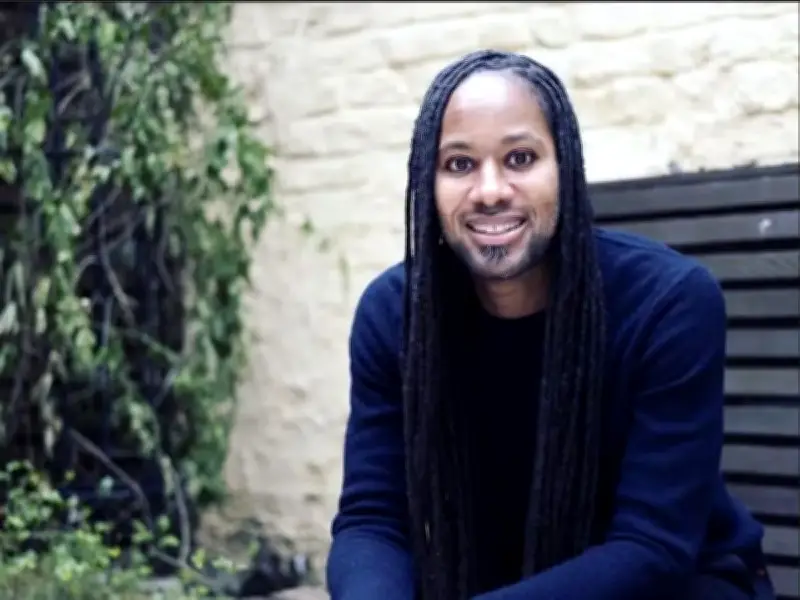
The death of black academic Jason Arday, who died amid scrutiny over his professional record and plagiarism claims, has triggered an outpouring of grief, anger and reflection among academics, anti racism campaigners and prominent community leaders across Birmingham and the West Midlands.
Prof Arday, the youngest ever black professor at the University of Cambridge when he was appointed in 2023, was found dead while facing an investigation by the university over alleged inaccuracies in his CV, academic work and personal achievements. The professor, who was autistic, had resigned his academic position, denying wrongdoing when he did so, and appealed for privacy. He continued to feature in news articles and thousands of social media posts in the days before his death. Many focussed on disputed aspects of his extraordinary childhood and life story, while others used his case to debate diversity, equality and inclusion.
Vigils in London and Birmingham Draw Hundreds
His death was marked at a weekend vigil in London, coordinated by Stand Up to Racism, which drew more than 30,000 people, and at a smaller, poignant gathering in Birmingham. More than 60 people gathered in Chamberlain Square in the heart of Birmingham, soon after news of Arday's death, to share their memories and call for an investigation.

The trailblazing professor had many friends and colleagues in the city, including professor of black studies at Birmingham City University, Prof Kehinde Andrews, who has described the circumstances leading to his death as 'a public lynching'. He was among close friends who had sought to support Prof Arday in his final days.
Fundraiser Tops £200,000 as Community Rallies
Sir Patrick Vernon, pro chanceller at the University of Wolverhampton and former chief of NHS Birmingham and Solihull, is overseeing the only formal fundraiser set up in Arday's memory. The fundraiser, coordinated on behalf of the family, has already topped £200,000. He spoke at the vigil in Trafalgar Square and told the gathering he believed there was a line that linked Arday's death to the racist murder of Stephen Lawrence, over 30 years ago. "I believe there are important parallels with what happened afterwards and the questions that confront us about racism, institutional responsibility, accountability and the treatment of black men today."
In an update on the fundraiser today, he praised the 'extraordinary' reaction to events, including the many 'small acts of kindness' that have resulted. He wrote of testimonies shared by former students of Arday: "They remind us that a human life cannot simply be reduced to headlines, allegations or controversy. Behind the public figure was a teacher, mentor, colleague, friend and family member who made a difference to people's lives."
Echoes of Wayne Brown Case Spark Local Reflection
Singer and cultural icon Beverley Knight spoke of her horror at seeing a brilliant man 'destroyed for sport, ignited by jealousy and fuelled by hatred'. University of Wolverhampton sociologist Dr Shirin Housee, speaking at the Birmingham gathering, reflected on how she first met Arday when he was studying for his PhD, and inviting him to speak to her students and stay at her home. "He was one of the humblest, most unassuming, warmest and respectful young men," she recalled. "We've lost a fine, fine black academic," she added. She read from a recent text message she had sent Arday, urging him to think positively and listen to those that loved him.
For many locally, the tragedy was especially challenging for it had echoes of the death of another celebrated black trailblazer. Like Arday, Wayne Brown, chief officer at West Midlands Fire and Rescue Service, was facing scrutiny and a formal investigation into claims he had lied on his CV when he took his life. He had been the first black man to achieve the CFO role and had been facing scrutiny and online attacks in the months before his death over his competence and CV. In Mr Brown's case, he died aware that stories exposing his embellished educational qualifications and making other personal claims had, or were about, to go public.

Education consultant and author Joanne Benjamin-Lewis said she wished she could have done more to ease Arday's suffering and compared Arday's case to that of Caroline Flack, the TV personality, and Mr Brown, condemning the actions of some media outlets. Dr Lisa Palmer, former Director of the Stephen Lawrence Research Centre at De Montfort University, who knew Arday as a friend and colleague, said his treatment was “symptomatic of what they want to do to all black academics speaking truth to power about racism, about colonialism and about inequalities.”
Anti racism activist Sal Naseem posted from a powerful poem written by Munya Chawawa reflecting on the case, who wrote: "If indeed a man is found lying, is it not enough to end his career? Or were the 188 articles after that happened to ensure he was no longer here?" Brummie entrepreneur and media personality Tru Powell, who founded the Inspire awards celebrating multicultural excellence, spoke of how Prof Arday had championed the awards and been a judge, saying: "He remained deeply committed to celebrating the achievements of others. For those fortunate enough to know him, it was his humanity that made him special." Birmingham Race Impact Group has released a statement today reflecting on the circumstances of Prof Arday's death.