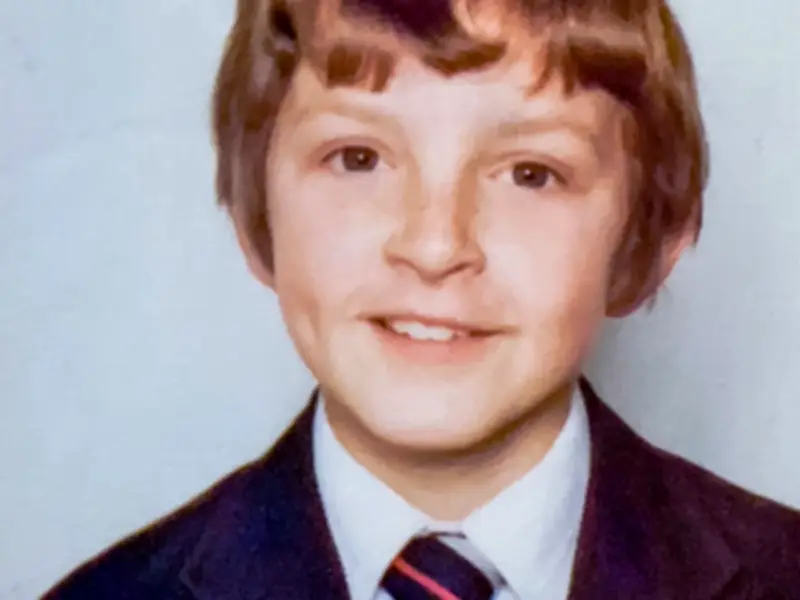
Fresh evidence will be presented at a second inquest into the death of 15-year-old Mark Billington, the Birmingham paperboy whose 1984 murder has remained unsolved for over 40 years. The High Court quashed the original open inquest verdict last week, ordering a new inquiry later this year. Among the new evidence is a claim from a police officer who suggested a witness statement presented at the original inquest had been “significantly changed.”
Background of the Case
Mark Billington was found hanged from a tree at Meriden on November 11, 1984, nearly ten weeks after he disappeared. He had completed his paper round, deposited £8 in wages into his bank, and collected his bike from the shed at his home in South Yardley before riding off on September 1 that year. The case was initially treated as suicide, but West Midlands Police launched a murder inquiry in 2002. Despite arrests, no charges have ever been brought.
Key Fresh Evidence
The High Court ruling from Lady Justice Whipple and Mr Justice Hilliard set out several pieces of fresh evidence to be considered. A forensic scientist’s expert report, based on photographs of the body and images of the ligature, concluded that the nature of the knots in the ligature points to third-party involvement and that it is “extremely unlikely” Mark had hanged himself. The ligature was a knotted blue nylon rope that did not belong to the teenager’s family. There was no suicide note, evidence of depression, or any other explanation for why he might take his own life.

Additional evidence includes sightings of Mark and other youths on the day of his death that were not available at the original inquest. There is also fresh evidence regarding a person interviewed during the initial inquiry in 1984, who was heard to say that he and his two school friends had been involved in someone’s death. That person and others were arrested in 2002, but no charges were brought.
Witness Statement Changes and Other Claims
The senior coroner is aware of a police officer who suggests one of the witness statements presented at the original inquest had been significantly changed. It is not known which statement the allegation pertains to or in what circumstances it happened. Additionally, the estate manager who oversaw the land where Mark’s body was found is alleged to have reported suspicious activity in that area at around that time. A friend of Mark’s older brother also reports seeing Mark on the afternoon he disappeared.
The ruling stated: “The senior coroner submits that, if this evidence, or any part of it, had been available to the original jury, there is a real possibility the jury would have reached a different verdict.” It noted that some of the fresh evidence was the product of research by local journalist Ms Reynolds, who wrote to the coroner with the family’s support in March 2025 asking for a fresh inquest.
Family’s Quest for Answers
The High Court added: “In light of developments since the original inquest and the emergence of fresh evidence touching on Mark's death, it appears the substantial truth about how Mark met his death was not revealed at the original inquest. Unless a fresh inquest is now held, that evidence will not be explored in depth and Mark’s family will never know how the deceased came by his death. His family should have the opportunity to examine such evidence as is now available.”
A pre-inquest review will take place in September, followed by a full two-day hearing in November.