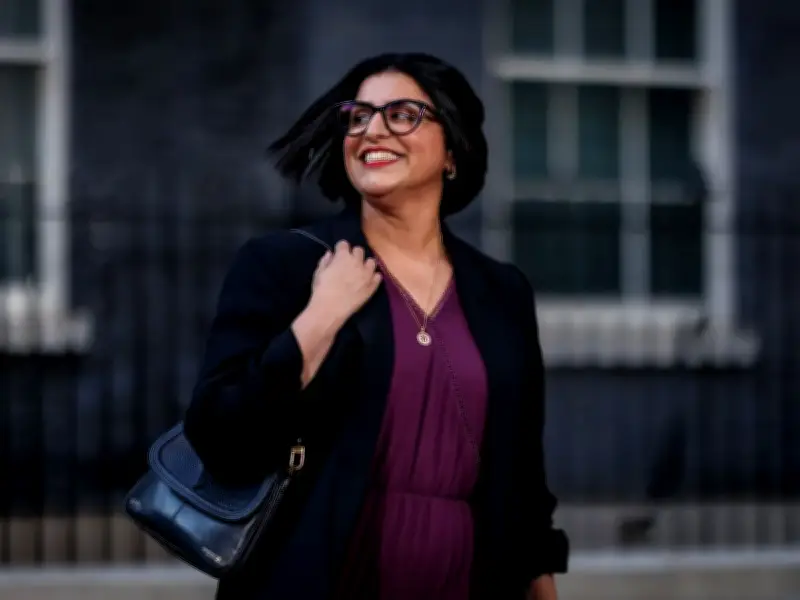
Home Secretary and Birmingham Ladywood MP Shabana Mahmood has declined to say whether she believes the UK is Islamophobic. Speaking at a fringe event at the Labour party conference, she said engaging with “fellow citizens usually gives me a lot more hope than it gives me anything else”.
Debate couched in national security terms
Asked about the UK’s understanding of Islam and whether she thought the country was Islamophobic, the Ladywood MP replied: “The debate about Islam and Britain and Muslims in Britain has been very, very much couched in the national security, terrorism, extremism space…”
She added: “People think they’re engaging with what your beliefs are, but they’ve taken a verse out of context and read in the most literal way by wrong-un extremists who want to do bad things.”
Hope from ordinary conversations
Speaking at an event hosted by the Tony Blair Institute, she said: “Ordinary people go about making a normal conversation – what politicians call authentic, they have to put a technical term to normality – but normality actually gives me a lot of inspiration and hope for the future.”
“The normal process of engaging with fellow citizens usually gives me a lot more hope than it gives me anything else,” Ms Mahmood said.
Criticism of Sir Keir Starmer
The Home Secretary also took aim at Sir Keir Starmer during the event, saying “mistakes were made” and his inability to relay to the public “where he went wrong” contributed to his downfall as prime minister.
She said: “We’d just won an election and everybody was talking about freebies and gifts and Taylor Swift tickets and haircuts and glasses and so on. So, I mean, just the beginning I think … didn’t go well for Keir Starmer. The policy choices that were made, which you know then had to be U-turned on.”
Ms Mahmood added: “Mistakes were being made but I think the real issue was not being able to give a political account of what was going on.” She said Sir Keir was unable to “provide a proper political account of what he was trying to do, where he went wrong, the lessons we learnt from it”.
“There’s a huge amount of scrutiny and you’ve got to be able to communicate. You’ve got to be able to do the business of politics intensely, almost 24/7,” she added.