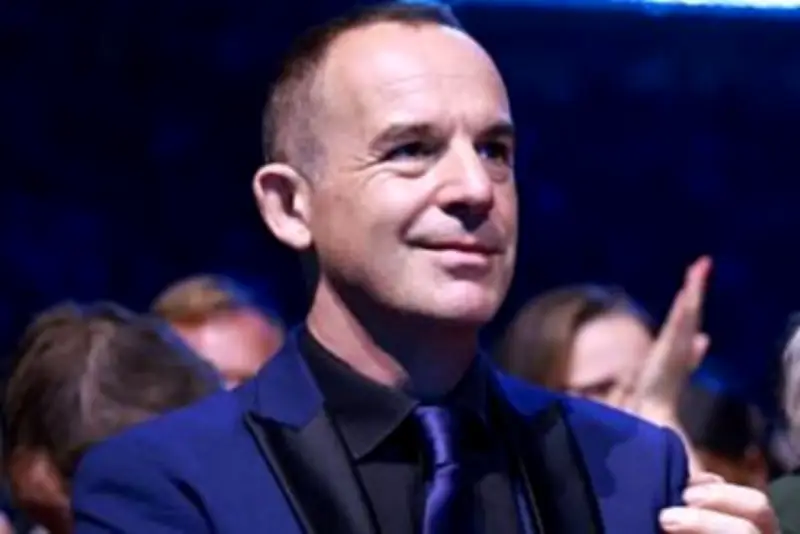
Money saving expert Martin Lewis has issued a stark warning to consumers after he almost fell victim to a sophisticated Amazon iPhone scam. The founder of MoneySavingExpert.com revealed that he received a convincing phishing email that appeared to be from Amazon, alerting him to a purchase of an iPhone he had not made.
The Scam That Nearly Caught Out a Consumer Champion
Lewis, who is known for his financial advice, said the email looked genuine and prompted him to click a link to cancel the order. The email had the Amazon logo and followed the company's typical format. However, he noticed a slight discrepancy in the sender's email address, which made him pause. He then checked his Amazon account directly and found no such order, confirming it was a scam.
According to Lewis, scammers are becoming increasingly sophisticated, making it harder for even savvy individuals to spot fraudulent messages. He urged people to never click links in unsolicited emails and to always go directly to the official website.

How the Scam Works
The phishing email typically includes a fake order confirmation for a high-value item like an iPhone, along with a button or link to cancel the order. The goal is to trick recipients into clicking the link, which leads to a fake Amazon login page designed to steal their credentials. Once scammers have access, they can make unauthorized purchases or access personal information.
Lewis emphasized that Amazon rarely sends emails with links to cancel orders; instead, users should manage orders through their account. He also noted that scammers often create a sense of urgency to pressure victims into acting quickly without thinking.
Consumer Advice from Martin Lewis
In his warning, Lewis advised: 'If you get an email about an order you didn't place, do not click any links. Go directly to the retailer's website and check your account. If it's a scam, forward the email to report@phishing.gov.uk.' He also recommended using two-factor authentication and unique passwords for online accounts.
This incident highlights the growing threat of phishing scams, which cost UK consumers millions of pounds each year. According to UK Finance, losses from authorized push payment scams alone reached £583 million in 2021. Lewis's near miss serves as a reminder that anyone can be targeted.
Amazon's Response
Amazon has consistently warned customers about phishing scams and provides guidance on its website. The company states that it will never ask for personal information via email. Customers who suspect a scam can report it to Amazon's fraud team.
Lewis concluded: 'I'm glad I spotted it, but it's a wake-up call. Scammers are getting better, and we all need to be more vigilant.'