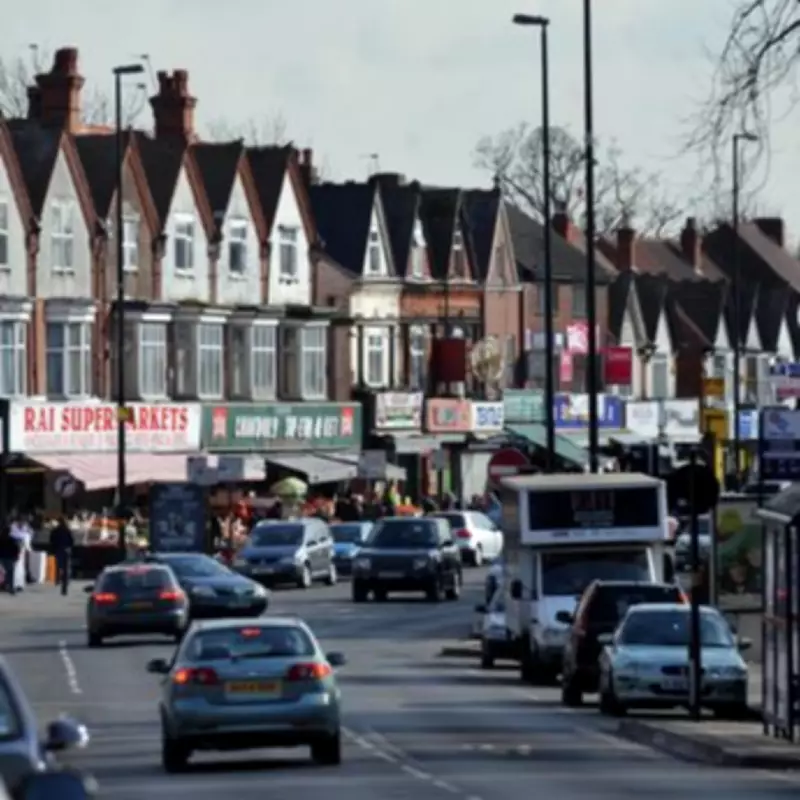
Birmingham has long struggled with deprivation and poverty, but a recent study has highlighted the severity of the issue. It revealed that the six poorest parts of England are all located in Birmingham, based on average disposable income in neighborhoods across the country.
Sparkhill North: The Poorest Area
Sparkhill North is considered the poorest place in England on this metric. Households there have an average disposable income—money left after bills and essentials—of just under £20,800 per year. For the worst-off, the concept of disposable income is a distant dream, as all their money goes toward energy bills, council tax, and food for their children. Some parents may even skip meals themselves.
Mum Aysha Aslam, 34, an IT project manager from Sparkhill, shared her struggles: "Myself and my husband are both working parents. As time's gone on, we're getting squeezed more and more. Council tax is increasing in Birmingham year on year, taxes in general are going up, and your bills are going up." She added, "We try not to affect the children. But with clubs and extracurricular activities, it's hard. You get them into activities and then you're like, it is adding up."

Other Poorest Areas
The other five poorest areas are Sparkbrook South, Small Heath Park, Saltley East, Washwood Heath, and Bordesley Green. While areas like Aston, Lozells, and Handsworth also suffer high deprivation rates, they were not among the six worst.
Growing Inequality
The study also showed a widening gap between the richest and poorest neighborhoods in England. Those at the top have almost £87,000 more disposable income per year than those at the bottom. For wealthy households, holidays and family outings are seen as everyday luxuries, while for the poorest, they remain unattainable. Just 1% of West Midlands households are in the national top 10% for average disposable income, compared to 45% of all neighborhoods in London.