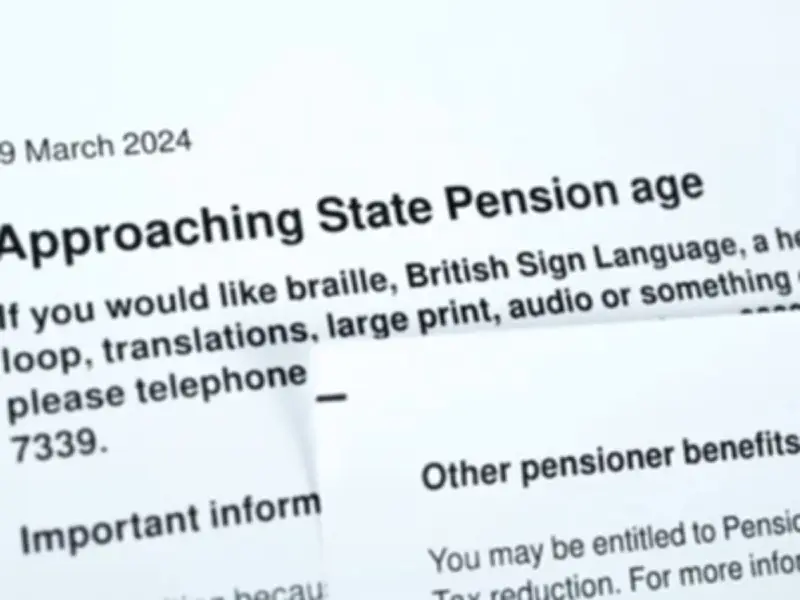
State pensioners born after 1951 are edging perilously close to receiving a tax bill from HMRC, as the rising full new state pension approaches the frozen personal allowance threshold. The Department for Work and Pensions (DWP) state pension is increasing by over four per cent this year due to the triple lock, but this uplift brings financial consequences.
Full New State Pension Nears Tax Threshold
The full new state pension, currently claimed by individuals born after 1951 (and after 1953 for women), now sits just below the personal allowance of £12,570, which has been frozen until 2028. This means more retirees could soon be liable for income tax on their state pension income.
Derence Lee, chief finance officer at Shepherds Friendly, warned: "With the full new state pension now sitting just below the frozen personal allowance of £12,570, more retirees are edging dangerously close to paying income tax on their state pension."

Government Ringfencing and Tax Implications
Chancellor Rachel Reeves has ringfenced state pension payments from tax bills, but this does not extend to private pension pots. Steven Cameron, pensions director at Aegon, clarified: "Importantly, this is not the same as waiving the tax. The Government is to look into alternative approaches to dealing with the tax charges."
Cameron added: "It’s important that this made as easy and stress-free as possible for pensioners. While state pensioners may not face tax bills through the letterbox, many of those solely reliant on the state pension will in future pay tax on some of this – a case of the Government giving with one hand and taking with the other."
How State Pension Tax Works
The state pension is liable to income tax. Historically, governments have treated state pensions and other 'earnings-replacement benefits' as taxable income. The Labour Party government website explains: "The state pension is paid by the Department for Work and Pensions without any tax being deducted first. To ensure the right amount of tax is paid on someone’s total income – that is, their private or occupational pension plus their state pension – the state pension is taken into account when tax is deducted at source by someone’s pension provider under PAYE."
Generally, pensioners whose only income is the state pension do not have to pay any income tax in practice, because their annual income falls below the personal tax allowance. However, as the state pension increases, more retirees may find themselves exceeding this threshold and facing tax liabilities.