Women impacted by controversial changes to the state pension age have been dealt a significant blow, being informed for a second time that they will not receive any form of compensation. This definitive decision follows a comprehensive review of the previous Labour administration's policy, which also declined to offer redress, prompted by the rediscovery of a critical 2007 Department for Work and Pensions evaluation.
Government Cites Widespread Awareness in Decision
Work and Pensions Secretary Pat McFadden addressed the House of Commons, presenting the government's position. He stated that the evidence clearly demonstrates the vast majority of women born in the 1950s were already aware that the state pension age was increasing. This awareness, he argued, was fostered through an extensive array of public information campaigns.
"The evidence shows that the vast majority of 1950s-born women already knew the state pension age was increasing thanks to a wide range of public information, including through leaflets, education campaigns, information in GP surgeries, on TV, radio, cinema and online," McFadden told MPs.

He further elaborated on the practical challenges, adding, "To specifically compensate only those women who suffered injustice would require a scheme that could reliably verify the individual circumstances of millions of women."
Campaigners Vow to Continue Legal and Parliamentary Fight
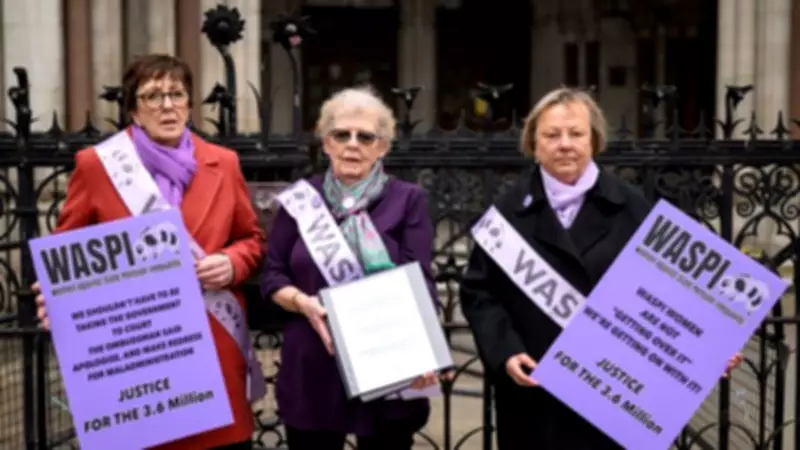
The decision has ignited fierce condemnation from the Women Against State Pension Inequality (WASPI) campaign, which has long fought for justice. The group argues that the communication of the pension age changes was fundamentally flawed and inadequate, leaving many women with insufficient time to plan for their retirement.
Angela Madden, Chairwoman of WASPI, accused the Government of displaying 'utter contempt' for the affected women. In a strongly worded response, she declared, "WASPI is taking legal advice and all options remain on the table. We stand ready to pursue every avenue in Parliament and in the courts to secure the justice that has been so shamefully denied."
Historical Context and the Ombudsman's Findings
The controversy stems from changes to the state pension age which were not communicated effectively to a generation of women. The rediscovered 2007 DWP report had originally led officials to cease sending out automatic pension forecast letters, a move campaigners claim exacerbated the problem.
Adding weight to the campaigners' cause, a report by the Parliamentary and Health Service Ombudsman had previously suggested that compensation ranging between £1,000 and £2,950 could be an appropriate sum for each woman affected by the poor communication surrounding the state pension changes.
The government's latest refusal to act on this recommendation marks a pivotal moment in this long-running dispute, setting the stage for further political and legal battles as the WASPI campaign reaffirms its unwavering commitment to securing redress.