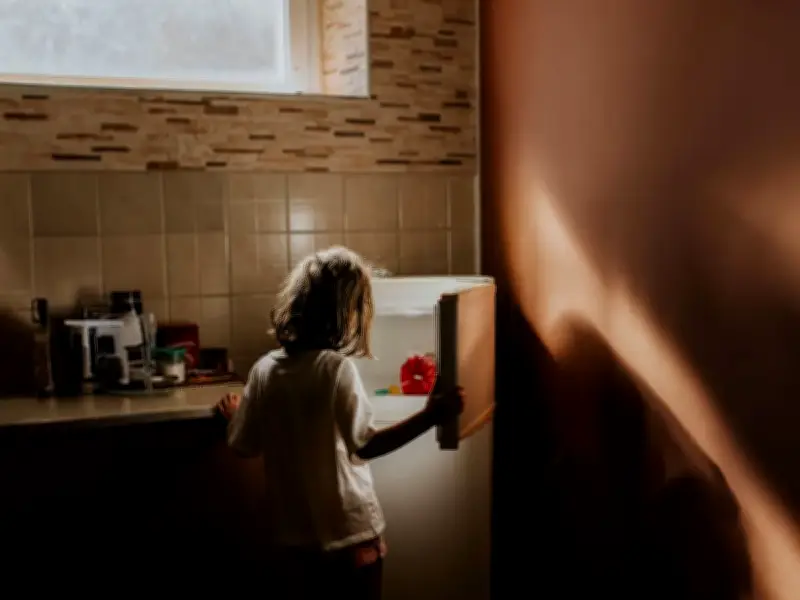
A new report has revealed that more than a third of children in the West Midlands are living in poverty, with rates exceeding 60 per cent in some neighbourhoods.
The West Midlands State of the Region 2026 annual review found that 36 per cent of children in Birmingham, Coventry, Dudley, Sandwell, Solihull, Walsall and Wolverhampton are affected by poverty. The figure rises to as much as 60 per cent in areas such as Ladywood in Birmingham, according to the report, which will be presented to the West Midlands Combined Authority's (WMCA) Local Scrutiny Committee.
Deprivation rankings across the region
The data shows that four local authorities in the WMCA region rank among the 30 most deprived in England overall. Birmingham is the most deprived area in the region, ranked fifth nationally, while Sandwell is ranked 19th. Wolverhampton and Walsall are also in the top 30, listed 23rd and 28th respectively.

The report states: "While the WMCA's diverse and youthful population brings significant strengths and opportunities, these sit alongside deep‐rooted inequalities that continue to affect people's life chances from early childhood onwards."
Nearly 1.4 million residents in deprived neighbourhoods
The 2025 Index of Multiple Deprivation (IMD) shows that nearly 1.4 million residents live in neighbourhoods among the 20 per cent most deprived in England. Over 830,000 residents live in the 10 per cent most deprived neighbourhoods.
The Income Deprivation Affecting Children Index (IDACI) indicates that nearly half of all children in the WMCA area (around 49 per cent) live in households with low incomes. This varies widely between places: Birmingham has around 62 per cent of children affected, while Solihull has around 30 per cent.
Rising numbers of children in low-income households
In 2023/24, around 280,000 children in the WMCA were living in relative low‐income households, an increase of nearly 8,600 children from the previous year. Across the wider West Midlands region, almost one in four people lives in poverty, the second‐highest rate in England after London.
The report concludes that within the WMCA, child poverty affects over a third of children (36 per cent), rising to more than 60 per cent in some neighbourhoods, such as Ladywood in Birmingham.