West Midlands Railway (WMR) is calling on residents of Birmingham and the Black Country to share their personal memories and photographs of two historic railway lines that have recently reopened after decades of closure. The community history project aims to preserve the stories behind the former Camp Hill Line and the stations at Willenhall and Darlaston.
Stations reopen after 80 years
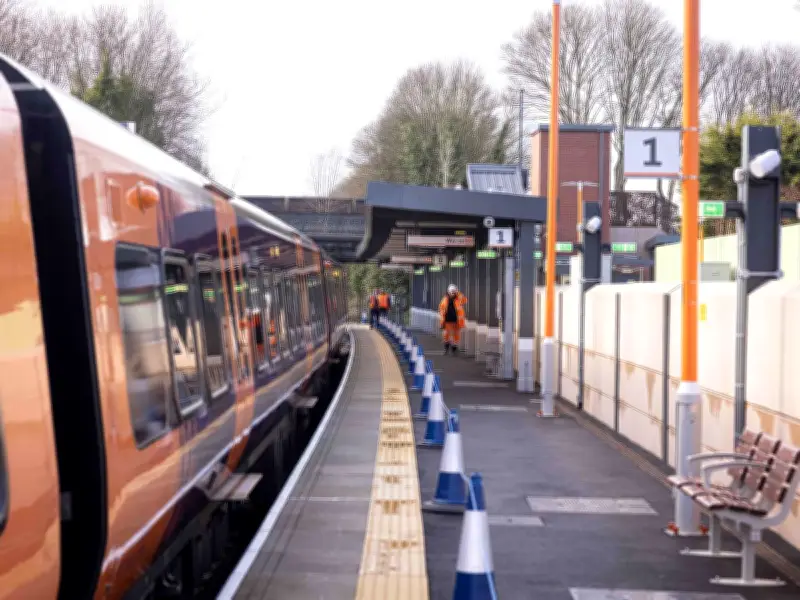
In April 2026, three new stations on the former Camp Hill Line opened to the public: Kings Heath, Pineapple Road (historically Hazelwell Station), and Moseley Village. These stations had been closed for 80 years. Earlier, in March 2026, the Willenhall and Darlaston stations reopened for the first time in 50 years, giving residents renewed rail access.
WMR is now seeking to capture the rich history of these lines before the memories fade. A spokesperson for West Midlands Railway said: "These railway lines have played an important role in their communities for generations. While the stations themselves may be new, the history behind them stretches back decades, and we're keen to ensure those memories aren't lost."
What West Midlands Railway is looking for
The railway operator is particularly interested in old tickets, timetables, newspaper cuttings, railway memorabilia, and personal anecdotes from people who travelled on, worked on, or lived near the former lines. The spokesperson added: "We know there will be people with fascinating stories, treasured photographs and family connections to these lines. We'd love to hear from anyone who can help us bring that history to life."
Anyone with material to share is encouraged to contact Georgie Smith at georgie.smith@tribera.com. The project is open to both Birmingham and Black Country residents, ensuring that the legacy of these important transport routes is recorded for future generations.
Community impact and future use
The reopening of these stations has already improved connectivity for local communities. The Camp Hill Line stations serve areas that have long lacked direct rail services, while Willenhall and Darlaston stations reconnect towns that have been without trains for half a century. By collecting oral histories and artifacts, WMR hopes to create a lasting archive that celebrates the railways' role in local life.
Residents who have not yet used the new stations are also welcome to contribute memories from previous eras. The project runs alongside ongoing efforts to promote sustainable travel and local heritage. For those with a story to tell, this is a chance to be part of history.