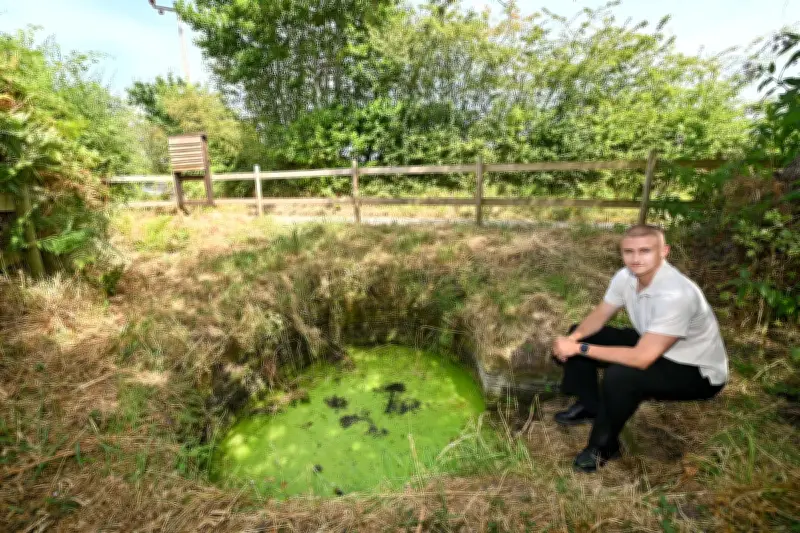
A remarkable piece of medieval history has quietly survived for centuries in the West Midlands: a rare leper well, one of only a few remaining in England. Located in Kings Norton, this ancient structure offers a glimpse into how communities once dealt with disease and exclusion.
What Is a Leper Well?
Leper wells were built in the Middle Ages to provide water for people suffering from leprosy, who were often isolated from the general population. The well in Kings Norton dates back to the 14th century and is thought to have been part of a leper hospital or chapel dedicated to St. Mary Magdalene, the patron saint of lepers.
According to local historian Dr. Eleanor Marsh, "This well is a rare survival. Most leper wells have been lost to development or neglect. It tells us how the community cared—or, more accurately, how they separated—those afflicted with a disease they feared."
A Unique Survival
The well is constructed from local sandstone and features a simple arched opening. It is now a scheduled ancient monument, protected by Historic England. Only about 30 leper wells are known to have existed in Britain, and fewer than ten remain intact today. The Kings Norton well is one of the best preserved.
Over the centuries, the well has been maintained by local residents and heritage groups. In 2019, a restoration project funded by the Heritage Lottery Fund ensured its structural stability and improved public access.
Local Significance
The well is located in a small park near the village green. It measures about 2 meters deep and still holds water, though it is no longer used for drinking. Local school groups often visit as part of history lessons about medieval healthcare and social attitudes.
"It's amazing to think that something so old is right on our doorstep," said Sarah Thompson, a teacher at Kings Norton Primary School. "The children are fascinated by the idea of a well just for lepers."
Preserving the Past for the Future
The well's survival is due in part to its remote location and the dedication of volunteers. The Kings Norton Historical Society has adopted the site and conducts regular clean-ups. They also hold an annual open day where visitors can learn about medieval medicine and the history of leprosy.
"Without the community's efforts, this well would have been lost long ago," added Dr. Marsh. "It's a testament to the value people place on their heritage."
The leper well serves as a poignant reminder of how society once treated the sick. Its continued existence offers an educational resource and a tangible link to a distant past.