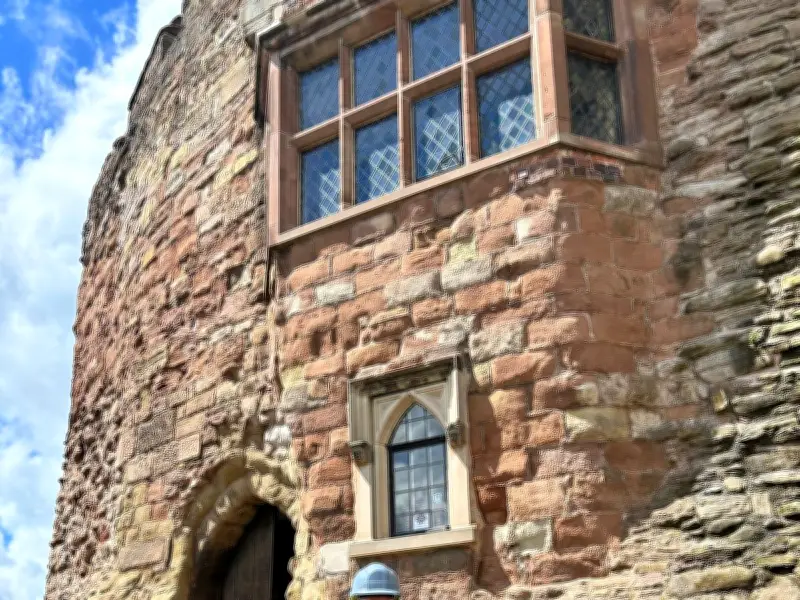
Work has begun to protect Tamworth Castle, a major Midlands landmark, after what is being described as 'its biggest restoration in modern history'. The castle, which has stood at the heart of the town for almost 1,000 years, is undergoing a complex programme of repairs after securing £1.9 million in funding.
Funding and Scope of Work
Tamworth Borough Council launched the project as part of ongoing efforts to protect the historic monument for future generations. Supported by £1,716,238 from Arts Council England's Museum Estate and Development Fund (MEND) and £190,695 from the council itself, the restoration aims to address deep structural issues. Specialist contractors are now on site to carry out the complex work, including repairing historic drainage systems, stabilising areas of structural movement, fixing deteriorating masonry, and undertaking significant roof repairs on the south wing.
Preserving History and Artefacts
As well as protecting the fabric of the ancient building, the work promises to improve environmental conditions for the many important historic artefacts the castle houses, including items from the precious Staffordshire Hoard. Archaeologist Will Mitchell, of the University of Huddersfield, has been involved with the council on various projects for around six years. He said: 'There's so much that goes into maintaining the castle that people don't always see. I love Tamworth Castle; it has so much potential and a really good future. It's a really important asset for Tamworth, but also the country, because it has so many links to specific periods of time, such as the Anglo Saxons and the Normans, and it's quite unique in terms of its preservation.'
Phased Approach and Visitor Engagement
The restoration will be carried out in carefully planned phases, allowing the castle to remain open throughout. Where possible, visitors will be given opportunities to witness and engage with the conservation work first-hand. The first phase of drainage works is expected to last around three months and will mean the Townshend Room being closed to visitors, along with a corridor that links it to the kitchen. The rest of the castle will remain largely open, although various repairs will take place at times throughout. People are encouraged to visit as usual and ask questions about the restoration. There will also be opportunities to 'get involved and see conservation in action' as the project progresses.
Project Manager's Perspective
Tamworth-born-and-bred Messenger BCR project manager, Martin Nee, is heading up the task. He said: 'I never could have imagined when visiting the castle on a school trip that I would one day be in charge of the biggest restoration in its modern history. We're used to working on specialist buildings, but this is a live castle on top of a mound, with additional logistics and access challenges, and it's staying open throughout, so a lot of planning goes into it. We're sourcing local trades where we can and will be looking for opportunities for community involvement and apprenticeships. I'm really excited to be working here.'
Addressing Heritage at Risk
Over time, the building has been shaped by layers of adaptation, as well as the effects of weather, climate change, structural movement, usage and time. It was placed on the Heritage at Risk Register in December 2023, helping to highlight its national significance and unlock the detailed investigations that led to the successful MEND funding bid. Thanks to that funding, the deeper structural problems that are causing visible issues on the surface can now be addressed.
Council's Commitment
Stephen Gabriel, Chief Executive of Tamworth Borough Council, said: 'Tamworth Castle sits at the very heart of our town and is an important part of our heritage. As its current custodians, we have a responsibility to protect it. Addressing the deeper structural issues now means we can safeguard the building, protect its collections, and ensure the castle continues to be a place people can visit, explore and enjoy for generations to come. We are grateful to Arts Council England for their significant investment through the MEND Fund, and proud that the council is playing its part in securing its future. I would encourage residents to come and see the conservation work for themselves.'
Residents will soon see activity on the outside of the castle as scaffolding will be erected on the motte and around some of the walkway at the top. This is to provide access for workers and materials, and for repairs on the outside of the building. Sections of the path around the castle at the top of the motte will therefore be closed for the majority of the programme. Overall, the work is expected to last around 18 months, although the council warned timescales are 'harder to predict when dealing with such a unique and complex building.'