Electric cars are now £486 cheaper to run annually than their petrol counterparts, according to new data from Compare the Market. On average, electric vehicles (EVs) cost £1,320 per year to run, compared to £1,806 for petrol cars.
Breakdown of running costs
The data shows a significant shift in the cost of motoring. For electric cars, insurance averaged £587 in 2026, down from £660 in 2025. Charging costs fell from £522 to £483, while Vehicle Excise Duty (VED) remained at £195 and MOT at £55, bringing the total from £1,432 to £1,320. For petrol cars, insurance dropped from £626 to £593, but fuel costs rose from £814 to £963. VED and MOT stayed constant at £195 and £55, pushing the total from £1,690 to £1,806.
Expert insight on savings
Sam Wilson, an expert at Compare the Market, said: “EV owners will be pleased to know that electric vehicles remain significantly cheaper to run than petrol cars on average. While changes to the energy price cap may increase charging costs in the coming months, the overall cost of owning and running an EV continues to compare favourably with petrol vehicles.” He added: “Our research shows that motorists comparing quotes through Compare the Market are seeing lower insurance costs for both EVs and petrol vehicles than they were a year ago. With prices and levels of cover varying between insurers, it's worth shopping around before renewing rather than automatically accepting your renewal quote. Taking a few minutes to compare policies through comparison sites could help drivers find better value cover and reduce the overall cost of motoring.”

Factors affecting EV charging costs
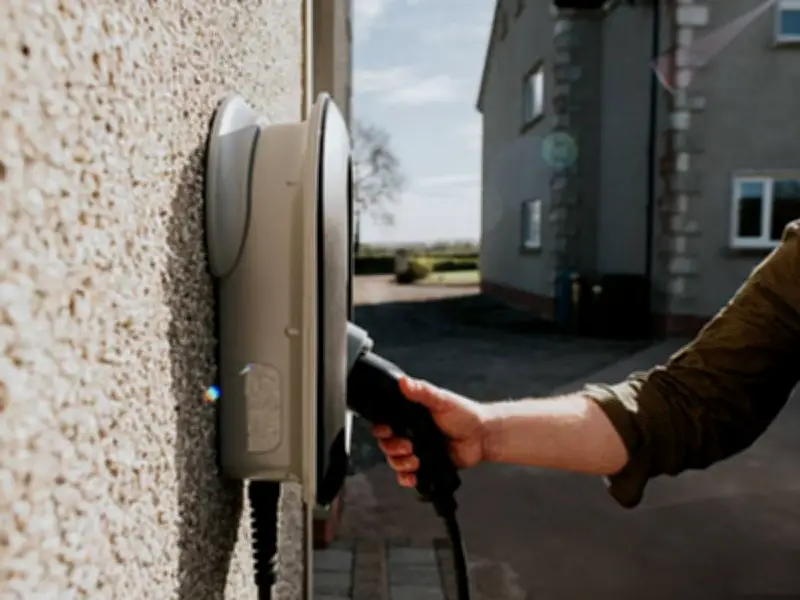
The cost of charging an EV at home depends on factors such as energy provider and tariffs, vehicle battery size and capacity, and the type of home charger installed. Cars with larger battery capacities will cost more for a full charge. Workplaces are increasingly installing charging points for employees, though costs may or may not be passed on depending on the employer.