

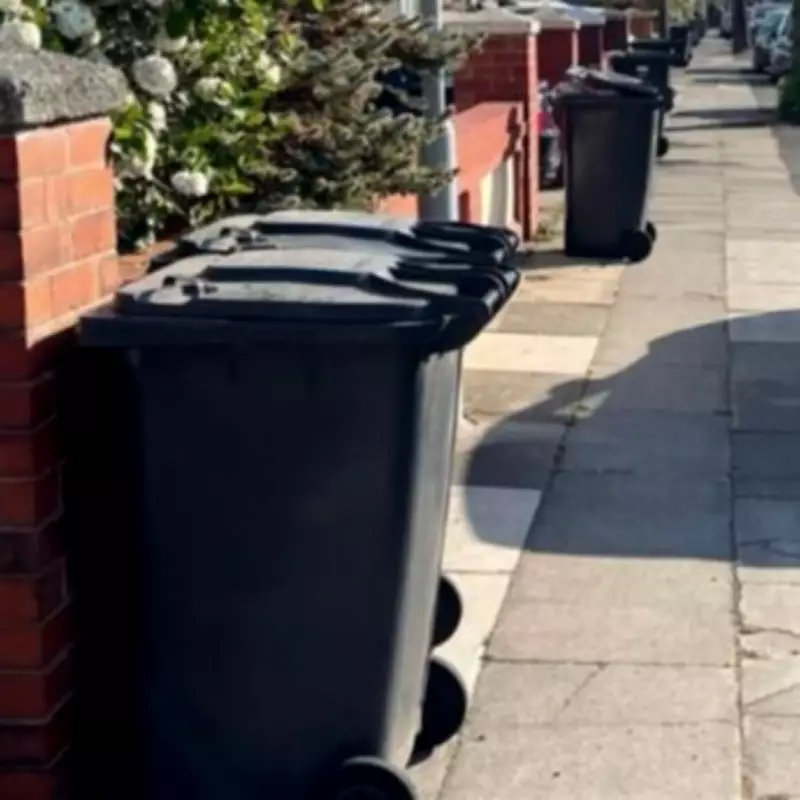
Households across the United Kingdom are set to navigate a significant transformation in their waste disposal routines, as comprehensive new rules governing bin collections come into effect nationwide. This major shake-up introduces a standardized system that will require most residents to manage four distinct bins or bags, marking a departure from previous localised approaches.
Understanding the New Four-Bin System
Under the forthcoming changes, which officially commence on March 31, 2026, domestic waste management will become more structured and environmentally focused. The Department for Environment, Food and Rural Affairs has confirmed that a 'universal standard' will be implemented across England, ensuring consistency in recycling practices whether at home, in workplaces, or educational institutions.
Key Changes to Waste Separation
The revised system mandates specific separation of different waste streams. Food waste will no longer be permitted in general rubbish bins, requiring dedicated collection instead. Recycling materials must be sorted more precisely, with paper and cardboard kept separate from other recyclable items. While households will retain a bin for general non-recyclable waste, careful consideration will be necessary regarding what materials are placed within it.

Financial Penalties for Non-Compliance
Local authorities will possess the power to issue financial penalties ranging from £60 to £80 for households that fail to adhere to the new regulations. However, councils may implement a grace period to allow residents time to adjust to the revised requirements. The government emphasises that these measures are designed to improve recycling rates and reduce contamination in waste streams.
Ending the Postcode Lottery
According to official statements, the 'Simpler Recycling' initiative aims to eliminate the current 'postcode lottery' of bin collections across England, where different councils collect varying materials for recycling. This inconsistency has historically caused confusion among households about what can be recycled in their specific area. The universal standard ensures that all materials suitable for household recycling will be collected in every region, providing clarity and uniformity.
Environmental Rationale and Implementation
The changes are being introduced primarily for environmental reasons, with the government seeking to enhance recycling efficiency and reduce landfill waste. Communication about the new system will be managed at a local level, with councils responsible for informing residents about specific implementation details in their areas. New bins are being distributed to homes in preparation for the March implementation date.
This national overhaul represents one of the most significant changes to household waste management in recent years, requiring adaptation from millions of households across the country. The government maintains that the standardized approach will ultimately simplify recycling for citizens while delivering substantial environmental benefits through improved waste separation and processing.

