Severn Trent has issued an urgent plea to households across the West Midlands to reduce water usage after a water resources trigger was reached in Staffordshire amid the ongoing UK heatwave. The company reported the highest water demand ever recorded in a single day, with no hosepipe bans currently in place but restrictions a possibility if usage does not decrease.
Record Water Demand During Heatwave
Scorching temperatures have swept across Britain in recent weeks, prompting a surge in water usage. In a message sent to customers on Sunday, July 12, Severn Trent stated: "We've seen the highest water demand ever recorded in a single day. The hot, dry weather means we're all using more water than usual." The company added that it is fixing leaks, treating more clean water, and moving water around the region but needs customer help to avoid restrictions.
Extra 203 Million Litres Used in One Day
In an update on Friday, July 10, Severn Trent revealed that in one day alone, an extra 203 million litres of water was used, and on average, people are using an extra 44 litres of water each day. The usual evening peak that finishes at 9pm is now stretching through until 1am each day, indicating high usage over longer periods.

First Water Resources Trigger Reached in Staffordshire
The first water resources trigger was reached in north Staffordshire due to the dry weather, meaning customers there are being asked to be more mindful. Severn Trent reassured customers that there are no restrictions in place yet but emphasised the need for support to keep water flowing this summer. The company stated: "It’s the third heatwave of the summer with no rain expected and we’re seeing people use much more water for longer periods than usual."
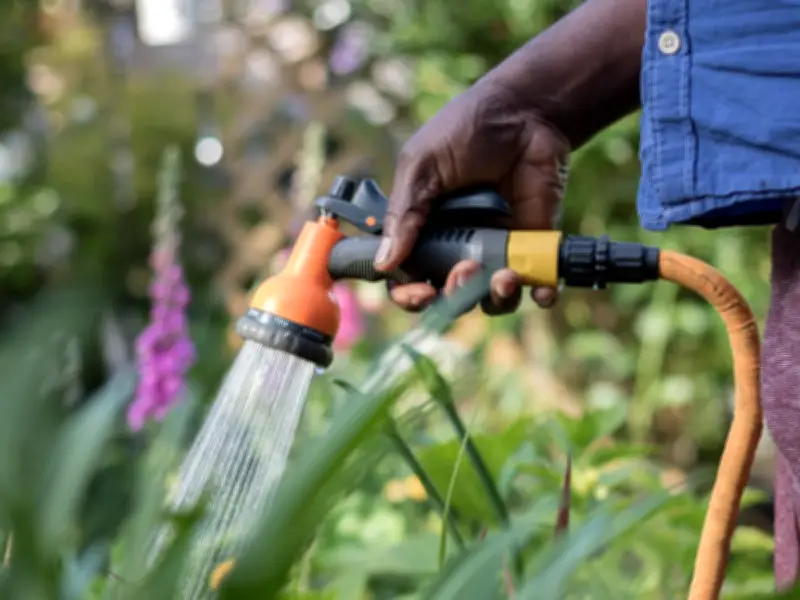
Appeal to Gardeners
Severn Trent specifically appealed to gardeners, acknowledging the desire to care for gardens but noting that grass will bounce back once rain returns. The company is working round the clock, producing hundreds of millions of extra water each day, but customer cooperation is essential to avoid more stringent measures.