

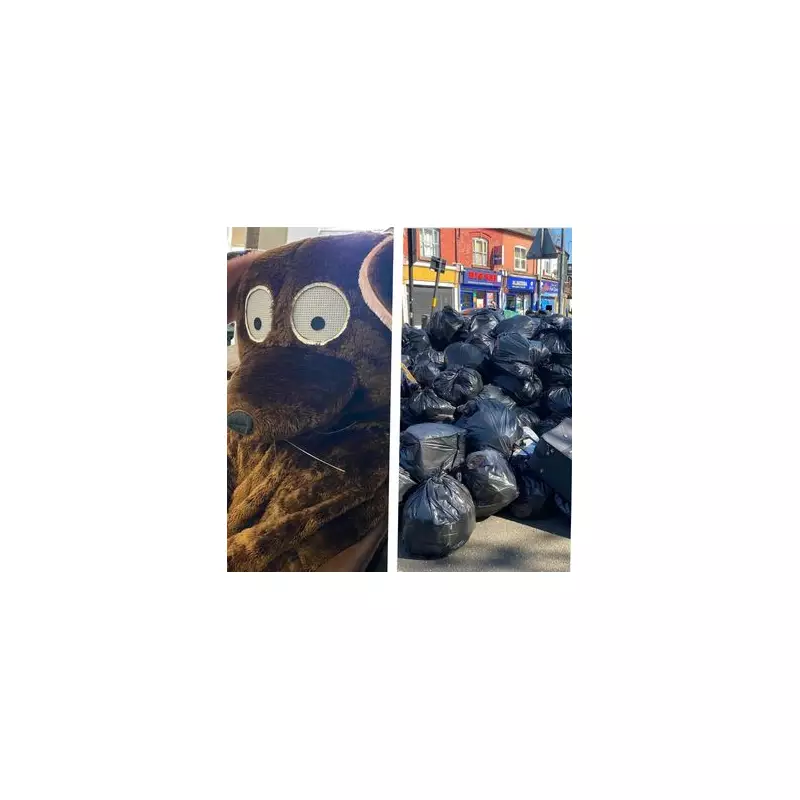
The year 2025 in Birmingham was dominated by a bitter and disruptive bins strike, a saga marked by stinking waste piles, furious protests, and a city council grappling with bankruptcy. The industrial action, triggered by a dispute over the removal of the Waste Recycling and Collection Officer role, has rumbled on through the seasons, creating tension and unwanted headlines. As the strike looks set to spill into 2026, we trace the 11 pivotal moments that defined the year and examine what could happen next.
The Strike Escalates and a City Reacts
The walkout began in early January 2025 after talks between Birmingham City Council and Unite the union collapsed. The situation deteriorated rapidly when recycling collections were suspended, escalating into an indefinite all-out strike from March 11. Streets soon became blighted by growing mounds of rubbish, raising public health fears and tales of rodent infestations.
By the end of March, with an estimated 17,000 tonnes of waste uncollected, the Labour-run council was forced to declare a major incident. Council leader John Cotton stated the step was necessary to address the "harm and distress" being caused to communities. Residents in areas like Balsall Heath described living next to the piles as "hell," complaining of disgusting smells and ever-growing heaps.

Political Tensions and Public Protests
The crisis quickly became a national political issue. Prime Minister Sir Keir Starmer condemned the all-out strike as "completely unacceptable," while former West Midlands Mayor Andy Street warned it was undoing years of work to improve Birmingham's image. The council's cabinet member for environment, Cllr Majid Mahmood, insisted the city's reputation had not taken a hit, a comment that sparked fresh anger.
Protests grew increasingly theatrical and disruptive. A man in a giant rat costume quizzed Cllr Mahmood at a council meeting, while Unite organised the first of several 'megapickets' at the Lifford Lane depot in May, aiming to shut down operations. The council responded by securing a High Court injunction in May to limit protest behaviour at depots, which was later made indefinite.
Council meetings were repeatedly interrupted. In one heated exchange in June, a protester challenged leader John Cotton from the public gallery, asking if he would accept an £8,000 pay cut. The discord continued into autumn, with chanting disrupting a sombre meeting paying tribute to deceased councillors.
Deadlocked Negotiations and the Road Ahead
By July, the council said it had reached the "absolute limit" of what it could offer, insisting Unite's demands risked creating a new equal pay liability worth "hundreds of millions of pounds." It announced plans to proceed with consulting on changes to the waste service. High-profile figures entered the fray, with former Labour leader Jeremy Corbyn addressing a second megapicket in July, urging the council to "get a deal now."
So, what happens next? Unite has stated its readiness to continue striking into 2026, with a third megapicket already planned for late January. Meanwhile, the council is pressing ahead with a major transformation of its waste service, now scheduled for June 2026. This plan will see household rubbish collections move to fortnightly and the reintroduction of recycling services.
This sets up a critical few months. If the strike continues into May, residents could endure around 15 months without recycling collections. Furthermore, the dispute is likely to be a central issue in the all-out city council elections in May 2026, where all 101 seats will be contested, placing the bins strike squarely at the heart of local politics.

