

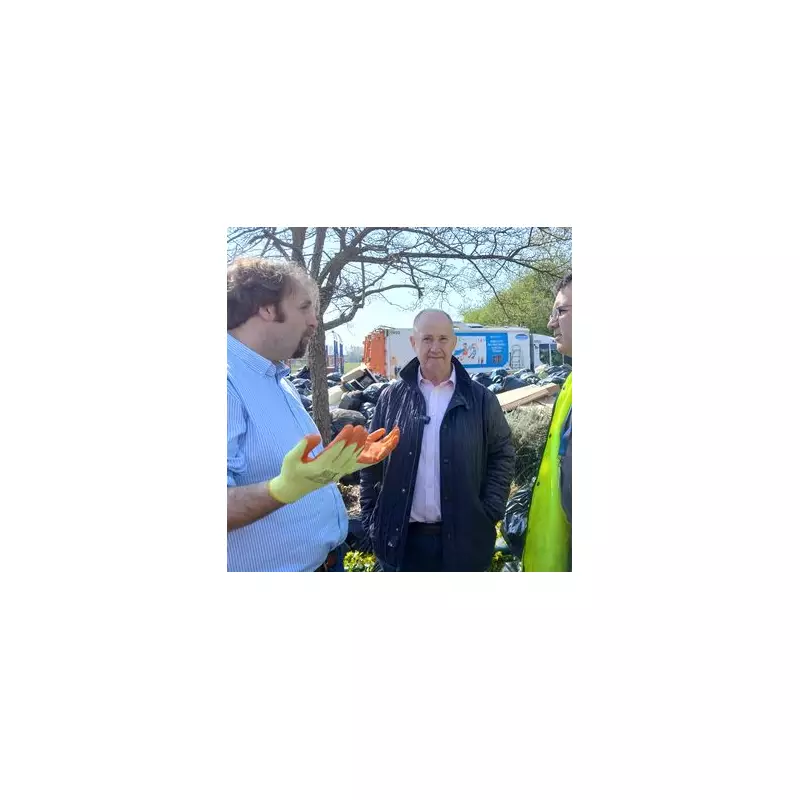
Birmingham's ruling Labour administration has been accused of dragging the city's international standing 'into the gutter' as a bitter dispute over bin collections reaches a grim one-year milestone.
A Year of Strike Action and Piling Rubbish
Today marks exactly twelve months since industrial action by refuse workers began, leading to heaps of uncollected waste accumulating outside homes across the city at the height of the disruption. The sight of overflowing rubbish in the UK's Second City generated national and global headlines, with alarming reports of 'cat-sized rats' becoming a common topic of conversation for residents.
As the strike hits this bleak anniversary, local Conservative councillors have intensified their calls for the council to restart negotiations with the Unite union, citing deep fears for Birmingham's reputation.

Political Blame and Defence
Councillor Robert Alden, leader of the local Conservative opposition, launched a scathing attack, stating: "The world has watched Birmingham Labour drag our international reputation into the gutter as the city becomes synonymous with images of rats and rubbish." He added that the council leader "continues to refuse to lead" and urged both sides to put residents first and end the strike.
These claims contrast sharply with previous statements from Labour figures. Last March, Councillor Majid Mahmood, the cabinet member for environment, downplayed the impact, saying, "I don't think the reputation of Birmingham has taken a hit." He expressed a desire to make Birmingham "the cleanest, safest and greenest city in the country."
Council leader John Cotton, a self-described proud Brummie, admitted in April that it pained him to see negative images of the city broadcast nationally. However, he argued there was "another story" about record investment and job creation that he preferred to focus on.
No End in Sight as Talks Remain Stalled
The prospect of a swift resolution appears remote. Unite has indicated the strike could continue beyond the local elections in May 2026. The council ended formal negotiations last summer, claiming it had 'reached the absolute limit' of what it could offer, a position recently backed by government-appointed commissioners who said resuming talks was not a 'viable option'.
Unite's general secretary, Sharon Graham, demanded in December that the council "stop disgracing itself and get back to talks". At a recent council meeting, Councillor Alden challenged the leadership, asking, "How many more months of bins strike misery do residents have to endure?"
In response, Councillor Cotton defended the council's approach, stating it was proper for professional officers, not politicians, to conduct negotiations. He argued that Unite had rejected a "succession of fair offers" and was demanding concessions the council "will not and cannot concede" due to fears of reopening past equal pay challenges.
The dispute was initially triggered by the removal of the Waste Recycling and Collection Officer (WRCO) role, with striking workers raising pay concerns. The Labour council maintains it has made a "fair and reasonable" offer, but with both sides entrenched, Birmingham faces the prospect of further disruption and damaging headlines.

