
Ancient Phillips Park Woodland to be Restored by Manchester Web Hosting Company
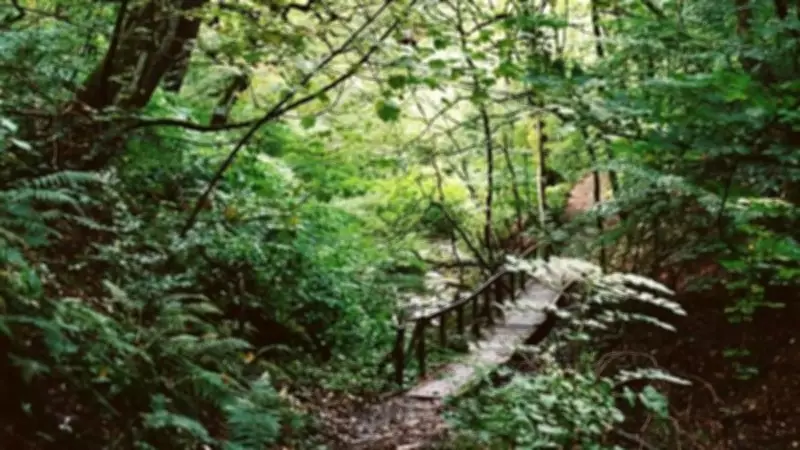
Phillips Park, located on the border of Prestwich and Whitefield in Bury, is a cherished green space for both residents and wildlife. However, beneath its picturesque surface lies a pressing issue that threatens its ecological balance. The park is home to a nationally significant area of ancient semi-natural woodland, a rare type of woodland that has existed since at least 1600AD and is composed of native species.
Historical Roots and Modern Challenges
This woodland has witnessed centuries of history, from the era of Galileo's astronomical discoveries to the English Civil War. Originally a medieval deer park, traces of its past, such as a mound near Bradley Brook, still remain. Despite its longevity, the woodland now faces overcrowding from scrub, small trees, and invasive non-native species like rhododendron and giant hogweed.
These invasive plants are stifling the growth of veteran trees and preventing wildflowers from thriving on the woodland floor. This degradation threatens the biodiversity that makes Phillips Park so valuable.
Corporate Support for Conservation
In an unexpected twist, help is coming from the digital world. Manchester-based web hosting company 34SP.com has generously funded a restoration project to revive this precious woodland. Staff from The Wildlife Trust for Lancashire, Manchester and North Merseyside will collaborate with local volunteers and 34SP.com employees to undertake the conservation work.
This initiative allows corporate staff to step out of the office and contribute directly to environmental preservation, blending technology with nature conservation.
Restoration Plan and Future Prospects
The restoration will begin with thinning the woodland to remove invasive species and create space for native flora. Once the woodland floor has room to breathe and natural light can filter through the canopy, the planting phase will commence. Hundreds of native wildflower plugs, including bluebells, wild garlic, and wood anemone, will be introduced.
- Thinning overcrowded areas to reduce competition
- Eradicating invasive species like rhododendron
- Planting native wildflowers to enhance biodiversity
Within a few years, the woodland is expected to burst with color and light, significantly improving habitats for local plants and animals. Monitoring efforts will assess the impact of these activities, ensuring long-term benefits for the ecosystem.
This project highlights how corporate responsibility can drive meaningful environmental change, proving that even web hosting companies can play a crucial role in preserving natural heritage. By supporting such initiatives, businesses demonstrate a commitment to the communities and environments they operate in.