
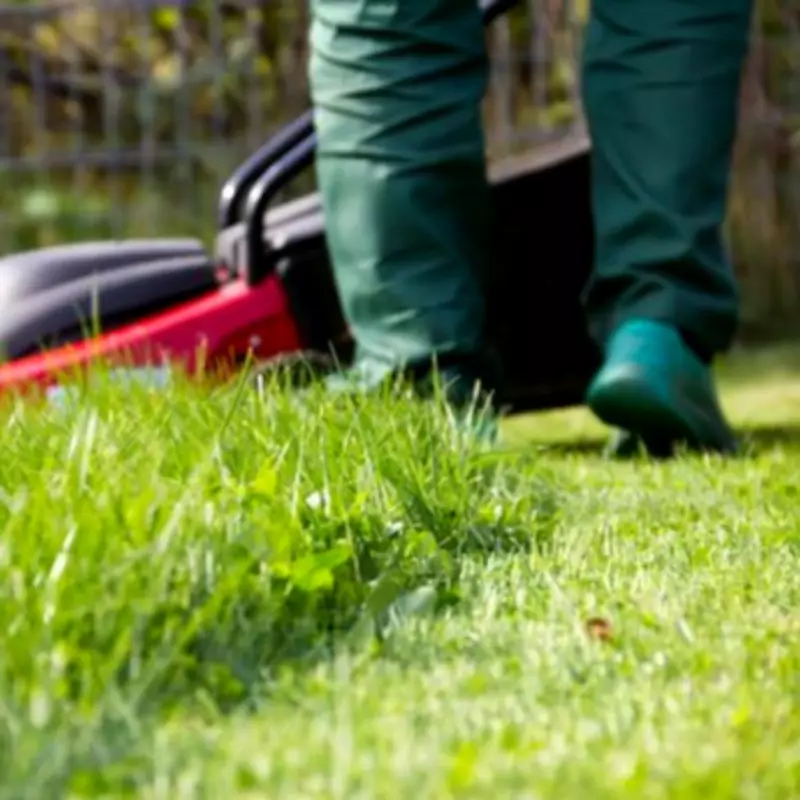
Households across the UK have been urged not to cut their grass during the month of May, despite the glorious weather beckoning people into their gardens. Temperatures have hit a sweltering 26C in some parts of the country today, with Birmingham bathing in rays of sunshine leading many Brummies to get their gardens in tip-top shape ahead of the summer. However, they are being urged to leave their grass alone by gardening experts in a bid to support pollinators.
Expert advice on No Mow May
James Ewens at Green Feathers explained: "Spring is in full swing, and now is the perfect time to enjoy our gardens and start making the most of them - whether for relaxing, just pottering around, being green-fingered, hosting family and friends, bird watching, or doing some spring-summer gardening. May is when gardens really come into their own. Everything is growing fast, lawns need regular care, and it’s a fantastic time to plant flowers and vegetables that will reward you throughout the summer months."
James added: "You don’t need to overwhelm yourself with jobs in May, with a handful of key tasks - like watering, planting, mowing and supporting outdoor creatures, you and your wildlife friends are all set for a thriving summer outside."
Benefits for pollinators
When you stop mowing, wildflowers like clover, daisies and dandelions are free to bloom, providing essential food for bees, butterflies and other pollinators that are considered endangered in the current climate. To make your lawn even more wildlife-friendly, you can consider planting more wildflowers, starting by gently raking the lawn to remove any dead grass or cuttings. This helps prevent nutrient build-up, which can stifle the growth of native species. A little prep goes a long way in supporting wildlife.
Supporting birds and other wildlife
He continued: "Keep bird feeders replenished with nutritious food like high-fat suet balls and sunflower seeds, and ensure birds have a consistent supply of replenished water to bathe and hydrate. Bonus points if you have a nest box for bird populations, providing bird families with a safe haven in your garden is not only crucial for their survival, but extremely rewarding."
If you need to tidy your garden, focus on light maintenance instead: tying in climbing plants, removing dead stems, or trimming small areas where you are certain no nests are present to ensure you’re not disrupting or harming wildlife. Supporting wildlife during nesting season helps maintain healthy bird populations and keeps gardens full of life and activity.