
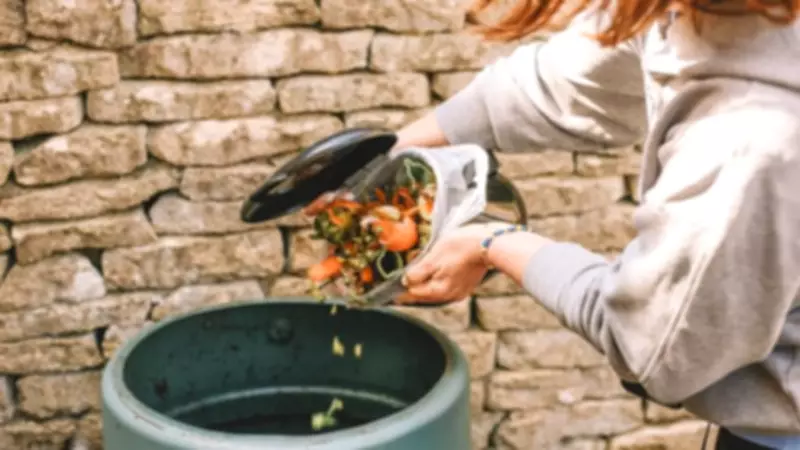
It seems harmless to drop spent tea bags in the garden compost bin, after all, it's just tea, right? Well, it appears that is not the case for the majority of bags produced to serve the nation's love of a morning cuppa. Although the market is rapidly changing, many still contain plastics, whether as a glue to seal the edges or as a nylon or polythene mesh. This means they are not fully biodegradable and can leave behind microplastics when they break down, which is detrimental to your soil and the creatures that live there.
Shift Towards Plant-Based Alternatives
There is a shift towards plant-based alternatives such as Polylactic Acid (PLA). This is derived from starchy crops and, under the right conditions, does break down. Sadly, that is unlikely to happen in your home compost bin. So, before throwing spent tea bags into your bin, check that they are plastic-free.
Mastering the Balance of Your Compost Bin
Getting your home compost right is a bit like hosting a dinner party for tiny microbes where you want to serve only the best ingredients. In his latest blog, Monty Don explains the alchemy behind good compost: "The secret of making it reasonably quickly is to have a good mix of matter high in nitrogen (green) like grass clippings and drier material (brown) that is high in carbon and then to aerate it often by turning it. This does not have to be a major operation - just forking through it will help a lot."
Mastering the balance of your bin is the fastest way to achieve that 'black gold' every gardener dreams of. Experts suggest that keeping the wrong materials out is just as vital as putting the right ones in to maintain a healthy ecosystem. To ensure your heap remains a thriving hub of activity, avoid these 10 common composting pitfalls.
Common Composting Mistakes to Avoid
- Too much citrus peel and onions: While these are organic, the high acidity of citrus and the potent compounds in onions can be detrimental to red wrigglers - the champion of composting worms.
- 'Compostable' plastics: Many 'plant-based' forks and bags require industrial-level heat to break down, which most domestic piles simply cannot reach. You will likely find these items completely intact two years later if you add them to a standard garden bin.
- Glossy or coated paper: Magazines and shiny wrapping papers often contain thin plastic films or toxic inks that should not be near your soil. Stick to plain cardboard and old newspapers to keep things safe and natural.
- Meat, dairy and fats: These food groups are not inherently bad for the earth, but they are a massive magnet for rodents and foxes. They also produce a foul stench as they putrefy, which can quickly ruin the atmosphere of your back garden.
- Dog and cat waste: Unlike manure from horses or cows, waste from carnivores contains nasty parasites and pathogens that survive the composting process. These can end up in your vegetable patches, posing a genuine health risk.
- Treated wood scraps: Sawdust from pressure-treated lumber or painted pallets often contains traces of arsenic, creosote, or lead. You certainly do not want these chemicals leaching into your homegrown tomatoes.
- Invasive weeds or seeds: If your heap does not reach at least 60°C, weed seeds like dandelions will simply hibernate in the warmth. Invasive vines like ivy will simply hibernate in your pile and 're-plant' themselves when you spread the finished compost.
- Large branches: Bulky wood takes years to rot down and creates awkward air pockets that dry out your pile. Unless you have a chipper to break them down first, they will only get in the way of your pitchfork.
- Tea bags and coffee pods: It is a common mistake, but many modern tea bags are sealed with a polypropylene plastic mesh that never disappears. Always check they are 100% paper, or you will find plastic 'skeletons' in your flowerbeds later.
- Diseased plants: If your roses suffered from black spot or your tomatoes had late blight, keep them far away from the bin. These fungi and bacteria can survive the winter and re-infect your entire garden next season.