
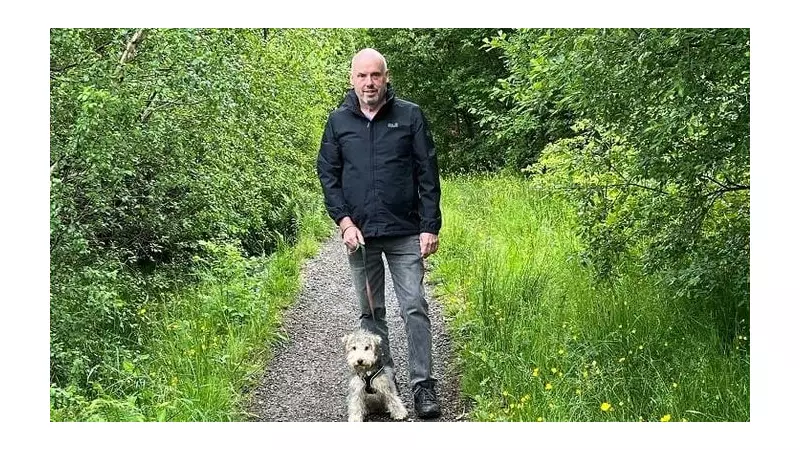
As the first sunrise of 2026 illuminated the Lancashire countryside, Alan Wright from The Wildlife Trust for Lancashire, Manchester and North Merseyside was walking his dog, Ted. The quiet lane near his home was a picture of New Year's Day serenity, shared only with a few other dedicated dog owners.
The Joy and Responsibility of Dog Ownership
Alan describes Ted as a dog full of joy, eager to greet everyone and everything he meets. However, this very enthusiasm is why Ted remains on his lead during walks. Alan explains that he cannot yet trust Ted off-lead, as the dog would rush headlong towards anything that catches his eye. This behaviour, while born of excitement, poses significant risks.
Beyond the potential to frighten people, the primary concern is the impact on livestock and local wildlife. With sheep often pregnant at this time of year, a chasing dog could cause serious harm or even miscarriage. The consequences of a dog running into a field of sheep are severe and entirely preventable.
A Chilling Reminder from the Wild
The need for control was starkly highlighted by an incident Alan witnessed a couple of years ago. He observed two lurchers chasing a terrified deer through a wood. The deer eventually escaped by leaping a fence, leaving the dogs and their oblivious owner confused.
Tragically, the owner failed to learn from the event. Approximately six months later, the same dogs chased another young deer, which became entangled in a fence and broke both its legs. The animal had to be put down by police. Alan stresses that such horror stories are avoidable with simple common sense and responsible pet ownership.
The Springtime Threat to Ground-Nesting Birds
As spring approaches, the risk extends to vulnerable bird species. In sensitive areas, ground-nesting birds like curlew, lapwing, and skylark hide in undergrowth. A dog roaming off-lead, even a friendly one like Ted, can easily disturb nests, leading to the death of eggs or chicks.
Alan notes that a bird frantically calling and flying above a dog is often a desperate parent trying to lure the threat away from its nest. That distraction display usually signifies a nest is in immediate danger. Allowing a spaniel or any breed to run recklessly out of sight almost guarantees this kind of disturbance.
Alan's New Year message is clear and heartfelt. He urges all dog owners to keep their pets under control in areas sensitive to wildlife. There is no shame in using a lead; it is a simple act of respect. The temporary restraint of a lead is far better than the devastating guilt of knowing your dog has injured or killed a wild animal.
He concludes with a plea to take care of your beautiful pup while respecting the wonderful wildlife we share our landscapes with. For those wishing to support this work, you can become a member via the Lancashire Wildlife Trust website at www.lancswt.org.uk or by calling 01772 324129. Information on Cheshire Wildlife Trust is available at www.cheshirewildlifetrust.org.uk or by calling 01948 820728.