
Yorkshire Wildlife Trust has reported a year of significant achievements and notable challenges, marked by the expansion of nature reserves, exciting species discoveries, and innovative projects to safeguard the region's natural heritage.
Conservation Triumphs and Species Successes
The Trust, supported by over 45,000 members and more than 1,000 dedicated volunteers, has had a busy year engaging the public. Its diverse programme, ranging from wildlife gardening and beach cleans to puffin watches and fungi forays, has inspired thousands.
A major highlight was the declaration of Park Gill near Grassington as the Trust's 116th nature reserve. This site is now a key part of the national Temperate Rainforest Restoration Programme, a collaborative effort with the Wildlife Trusts and Aviva to restore this rare habitat to the UK's western climes.
In a landmark moment for UK botany, a partnership led by the Trust and including Natural England and Kew Gardens discovered the first wild lady’s-slipper orchid in nearly a century. This find offers new hope for a flower once nearly extinct in Britain.
The Ingleborough National Nature Reserve grew to 1,186 hectares, incorporating five Trust reserves to protect species like the northern brown argus butterfly. Volunteers also restored a 400-metre stretch of drystone wall, a length matching the iconic Ribblehead Viaduct.
Wildlife Wins Across Yorkshire's Landscapes
The Trust's Wilder Humber project, in partnership with Lincolnshire Wildlife Trust, achieved the UK's largest release of native oysters into the intertidal zone, introducing 300,000 oysters with support from Ørsted and others.
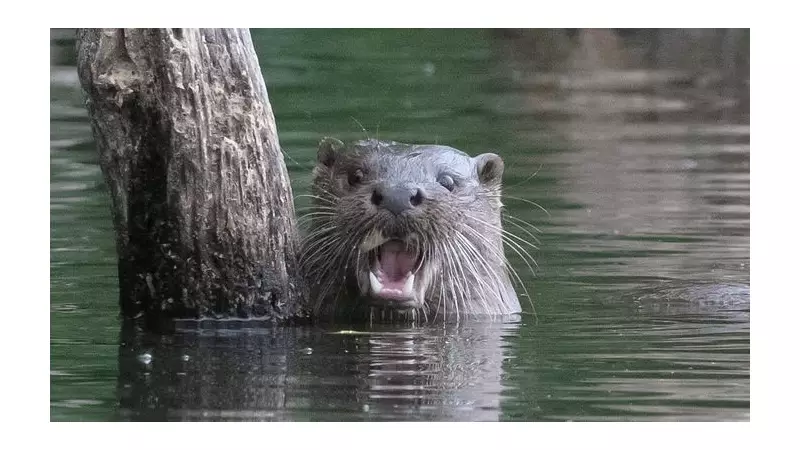
At North Cave Wetlands near Hull, conservationists celebrated a first-ever bittern breeding success, alongside a clutch of pochard chicks. The site has also been thrilled by the regular appearance of an otter, delighting visitors. Bitterns remain extremely rare, with fewer than 20 breeding pairs in all of Yorkshire.
Public engagement soared with popular annual events like the Puffin Festival and Fungi Festival, joined by a new Robin Festival featuring over 200 knitted robins from the public. Spectacular starling murmurations at sites including Ripon City Wetlands and Spurn Point drew crowds each evening.
Addressing Challenges and Looking Forward
The year was not without its difficulties. Yorkshire endured its driest spring in 132 years, severely stressing wetland reserves such as Askham Bog and Kilnsea Wetlands, and putting dragonflies and woodland trees under pressure.
A March tanker collision in the Humber Estuary caused plastic nurdles to wash up on beaches, underscoring the vulnerability of protected coastal sites like Spurn Point. The Trust also dedicated over 700 volunteer hours to tackling invasive Himalayan balsam.
New initiatives launched include the Yorkshire Wildlife Trust Wildlife Gardening Award and a wildlife watching station on Marine Drive in Scarborough, featuring Jeremy Deller’s art and free telescopes.
Looking ahead, the Trust is preparing to celebrate its 80th 'oak' anniversary in 2026, uniting its community to continue driving positive change for Yorkshire's wildlife and wild places.