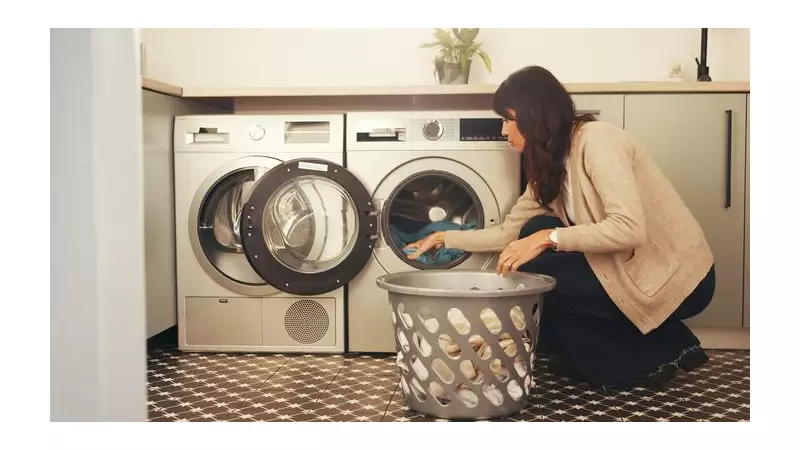
For many households across the UK, the tumble dryer is an indispensable appliance, especially during the damp and chilly months. However, this convenience comes at a cost, as these machines are notoriously energy-intensive, often contributing a significant amount to your quarterly electricity statement.
Master Your Machine: Practical Steps for Efficiency
Appliance expert Paul Hanley from HomeHow.co.uk explains that achieving a cheaper cycle isn't about avoiding the dryer, but about using it more intelligently. Small adjustments to your laundry routine can lead to substantial reductions in energy consumption and cost.
Preparation and Loading Techniques
Before you even load the machine, your washing routine plays a crucial role. Hanley strongly recommends using an extra spin cycle on your washing machine. This action removes more excess water, meaning the dryer has less work to do. "It reduces energy use and avoids unnecessary strain on the appliance," he said.

When loading the drum, balance is key. Avoid both overloading and underloading. A drum packed too tightly prevents proper air circulation, while a nearly empty one wastes a full cycle's energy. For optimal efficiency, Hanley advises filling the drum to just over halfway.
Another critical tip is to dry similar fabrics together. Mixing heavy items like towels with lightweight garments forces the dryer to run longer than necessary. Sorting your loads by fabric type ensures everything dries at a similar rate.
Maintenance and Smart Features
Regular maintenance is non-negotiable for efficiency. A blocked lint filter makes the motor work harder, increasing energy consumption. Clean the lint filter after every single load to maintain peak performance.
If your machine has a sensor drying function, make sure you use it. Timed cycles can continue running long after clothes are dry, wasting electricity. Sensor programmes, however, stop automatically when the laundry reaches the desired dryness level.
For those with a vented dryer, ensure the machine is in a well-ventilated space. Good airflow helps the dryer operate efficiently and prevents a build-up of excess heat and moisture in your home.
Advanced Tips for Maximum Savings
If you have multiple loads to dry, run them back-to-back. Each new load can benefit from the residual heat left in the drum from the previous cycle, shaving valuable minutes and pence off each run.
Consider using dryer balls. Dropping a few into the drum helps to lift and separate clothes, allowing hot air to circulate more efficiently. This simple addition can cut drying time by up to 25% and naturally softens fabrics.
Finally, take a moment to untangle laundry and secure duvet covers. Tangled items take much longer to dry, and fastening duvet covers prevents smaller garments from getting trapped inside and emerging still damp.
Hanley concludes that these smart habits are the key to cost-effective drying. "Simple habits like cleaning filters, sorting fabrics and using sensor programmes can make a noticeable difference to your energy bills," he said. "Every small step towards efficiency is a step towards a more comfortable and cost-effective home."