Households across the UK are being urged to perform a simple five-minute task that could dramatically reduce their energy costs this winter. The secret lies in a tool costing less than a pound.
The £1 Fix for Inefficient Heating
After the festive period, energy experts are reminding people to bleed their radiators. This basic maintenance job can prevent wasted energy and lead to significant savings on gas and electricity bills during the coldest months.
Robert Quinton, an energy specialist at Construction Megastore, explained that while many focus on their boiler, radiators are equally critical for home efficiency. "If they're not working properly, you're literally paying more to get less heat," he stated.

How Trapped Air Wastes Your Money
The core issue occurs when air becomes trapped inside a radiator's system. This air pocket blocks the free flow of hot water, resulting in a radiator that feels warm at the bottom but remains cold at the top. Consequently, the radiator fails to heat the room effectively.
"Your boiler then has to work harder to try and push heat through, using more gas and more energy," Robert Quinton added. "Over a whole winter, that wasted energy really adds up on your bill." The advice is supported by Smart Energy GB, which highlights that a poorly performing radiator wastes both energy and money.
A Quick Job with Major Returns
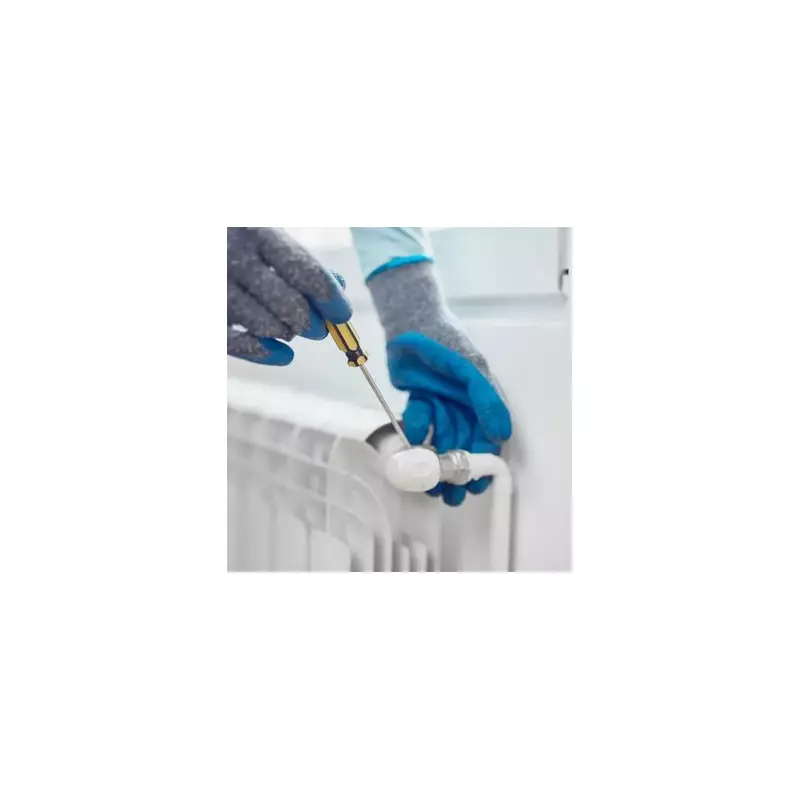
Bleeding a radiator involves releasing the trapped air using a specialist key, which can be purchased for around 99p. The process allows the hot water to circulate fully again, restoring the radiator's output.
Quinton emphasises the exceptional value of this small act: "For less than £1 and five minutes, you could save hundreds of pounds; it's one of the best returns on investment you'll make in your home." It's a task often postponed, but its impact on home comfort and financial outlay can be immediate and noticeable.
By tackling this simple job in January, households can ensure their heating system runs at peak efficiency, staying warmer for less as winter continues.