The vivid green flash and raucous call of the ring-necked parakeet have become a defining part of the West Midlands' urban soundscape and skyline. Once an unusual sight, these exotic birds are now firmly established, with their numbers exploding across the region's parks and gardens.
Parakeet Population Hotspots: From Shard End to Solihull
A remarkable surge has been documented in recent years. In Shard End, nocturnal footage from 2025 revealed a massive roost of over 500 parakeets. This represents an astonishing increase from a mere 24 birds recorded at the same location in 2017.
Residents and visitors can now regularly spot these colourful flocks in numerous green spaces:

- Cannon Hill Park, Birmingham: Frequent sightings occur in wooded areas used for nesting and feeding.
- Sutton Park, Sutton Coldfield: Its vast heathland and woodland offer an ideal sanctuary.
- Sandwell Valley Country Park, West Bromwich: Drawn to bird feeders and foraging in trees.
- Edgbaston Reservoir, Birmingham: The tree-lined perimeter provides perfect nesting sites.
- Walsall Arboretum: Quiet, densely wooded sections host multiple sightings.
- Warley Woods, Smethwick: Birds nest in local trees and feast on seeds and fruit.
- Elmdon Park, Solihull: Now considered a stronghold with consistent population growth.
- Highbury Park, Moseley: Regular flocks dart between the treetops.
- East Birmingham gardens: Common visitors, especially where peanuts and seeds are offered.
- Shard End: Home to one of the region's largest and most successful urban flocks.
Why Are These Exotic Birds Thriving Here?
Several key factors explain the ring-necked parakeet's successful colonisation of the West Midlands. The populations are believed to originate from captive birds that escaped or were released, potentially as far back as the 1960s.
Their success is bolstered by a high adaptability to urban and suburban landscapes. The region's relatively mild winters support year-round survival and breeding. Furthermore, abundant parks and green spaces supply ample food and nesting opportunities. Perhaps crucially, public fascination has led many people to actively feed the birds, encouraging them to stay and breed locally.
From Curiosity to Established Wildlife
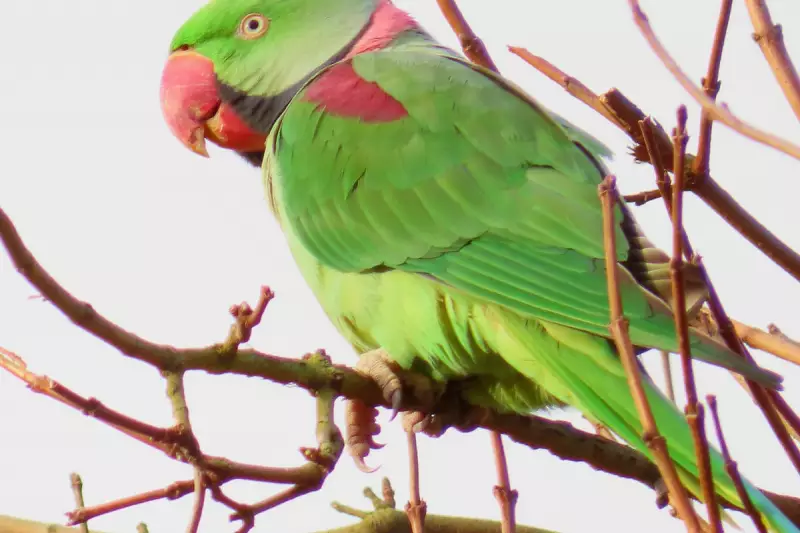
What began as an unusual anomaly is now an undeniable and vibrant component of the Midlands' natural heritage. The phenomenon has also led to rare sightings of other species, such as an Alexandrine parakeet photographed in The Leasowes, Halesowen by local observer Alec Longhurst, likely another escapee joining the established flocks.
The story of the West Midlands parakeets is a striking example of how wildlife can adapt and flourish in our cities, adding a unexpected splash of tropical colour to the everyday environment.