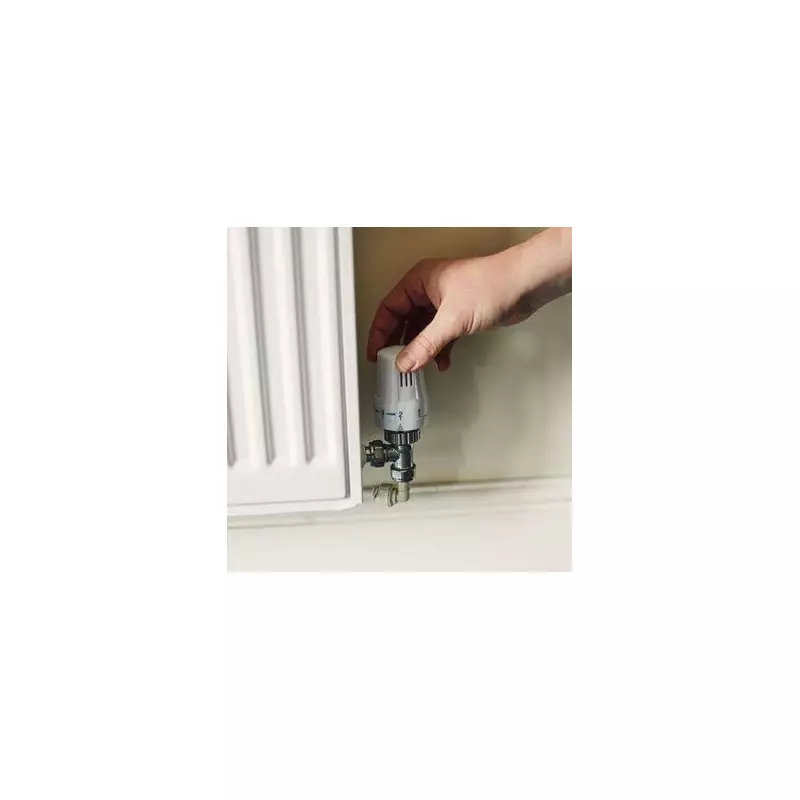
Are you confident you're using your home's heating controls correctly? A widespread misunderstanding about the dials on radiators could be silently inflating energy bills across the country, according to plumbing experts.
The truth behind the numbers on your radiator
Many residents believe the digits on a thermostatic radiator valve (TRV) indicate how hot the radiator itself will get. This, however, is a costly error. The numbers actually correspond to your desired room temperature, not the temperature of the radiator. Specialists at Arton Plumbing and Heating stress this is a "common misconception and an important distinction" for anyone looking to manage their energy use.
The TRV, typically found on the side of the radiator, contains a clever internal sensor. This component expands when warm and contracts when cool, reacting to the air temperature in the room. Its job is to regulate the flow of hot water into the radiator. When the room reaches the temperature selected on the valve, the sensor expands and shuts off the water supply, preventing unnecessary heating.

What the valve settings really mean
The experts provide a clear breakdown of what each number symbolises. Understanding this scale is the first step to more efficient heating:
- 0 = Off
- * (Snowflake) = Frost protection setting, around 7°C
- 1 = Approximately 10°C
- 2 = Approximately 15°C
- 3 = Approximately 20°C
- 4 = Approximately 25°C
- 5 = Approximately 30°C
"In simple terms," the engineers explain, "a TRV is designed to prevent a radiator from continually pumping out heat after it reaches temperature, thereby saving energy and money."
How to use your TRVs for maximum savings
The major benefit of these valves is the ability to set different temperatures for individual rooms based on how they are used. For instance, you can keep a frequently used living room at a comfortable 20°C (setting 3), while setting a spare bedroom or hallway to a lower 15°C (setting 2) to conserve energy.
A crucial piece of advice from the professionals is to ensure your radiator valves are never set higher than your main room thermostat. They should be set to less than or equal to the thermostat's temperature. If a TRV is set to maximum (5), the valve will stay permanently open, constantly demanding heat whenever the boiler is on.
"This directly goes against the point of using TRVs," the experts caution. "If you leave your radiator on the maximum setting, the valve will remain open, costing you money every time you switch your heating on."
By taking a few moments to correctly set these valves according to room use, households can gain better control over their environment and their expenditure, making a noticeable difference during the colder months.