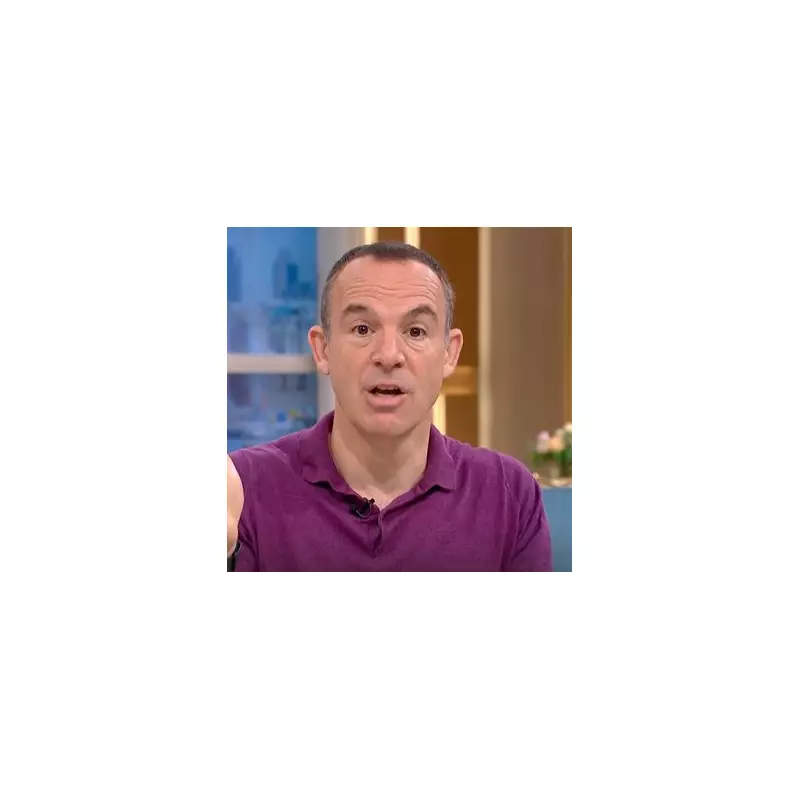
Money saving expert Martin Lewis has issued seven critical points of clarification following Chancellor Rachel Reeves' Autumn Budget announcement that will significantly impact energy bills across the UK.
What the Budget Means for Your Energy Bills
The Chancellor confirmed the government will scrap the Energy Company Obligation (ECO) scheme from April 2026, a move that will remove approximately £150 from average household energy bills annually. Ms Reeves justified the decision by revealing the current scheme "costs households £1.7bn a year on their bills, and for 97 per cent of families in fuel poverty, the scheme has cost them more than it has saved."
Martin Lewis, founder of Money Saving Expert, immediately sought further details from government officials and shared his findings in a comprehensive post on X (formerly Twitter), providing essential information for customers of major suppliers including British Gas, EON, EDF, and Ovo.

Martin Lewis's Seven Key Revelations
The reduction will commence with the 1 April price cap, ensuring households see immediate benefits from the changes.
Consumers can expect roughly a 3.3p reduction in the electricity unit rate and 0.3p reduction in gas rates (before VAT is applied), assuming all other factors remain constant.
For typical energy users, this translates to approximately £150 per year in savings, though Lewis emphasises that "use more its bigger, use less its smaller."
The government will achieve part of this reduction by shifting 75% of energy levies from bills to general taxation, a move Lewis has long advocated for as "far more progressive."
The ECO scheme's termination will be partially offset by increased funding for the Warm Home scheme, though specific details remain forthcoming.
Lewis specifically questioned whether the reduction would apply to fixed tariffs and received assurance that "the government has clear expectations this cut will be passed on in full by suppliers." He noted precedent exists from the Energy Price Guarantee and that failure to comply would "break the point of a 'competitive market'."
The consumer champion expressed hope that future measures might address standing charges, though confirmed no such changes have been implemented yet.
Implications for UK Households
This significant policy shift represents a fundamental change in how energy efficiency measures are funded in the UK. The original ECO scheme was designed to combat fuel poverty and reduce carbon emissions by requiring large energy suppliers to help households save energy.
The transition to funding through general taxation rather than energy bills marks a victory for progressive pricing advocates like Martin Lewis, who has consistently argued that the previous system disproportionately affected lower-income households.
With the changes scheduled for implementation in April 2026, millions of households across Britain should prepare for adjustments to their energy billing structure while anticipating the promised £150 average reduction.