Consumer champion Martin Lewis has outlined a straightforward method for households across the UK to significantly reduce their energy expenditure, focusing on the timing of their energy use and the adoption of smart meter technology.
The Smart Meter Advantage
During a recent episode of his BBC Sounds podcast, Lewis addressed a listener's scepticism about smart meters, which they had refused due to a "poor reputation". The founder of MoneySavingExpert.com countered this view by explaining the tangible benefits of the devices. He stated he is "generally relatively pro smart meters", highlighting their primary convenience: the end of manual meter readings as usage data is sent automatically to the supplier.
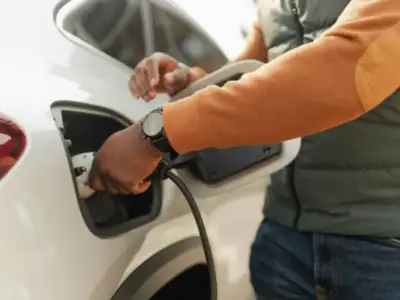
More crucially, Lewis emphasised that smart meters unlock access to specialised energy tariffs. "We're going to see more of these time-of-use tariffs coming later," he explained, noting that these can offer "much cheaper rates for using energy overnight". This shift in consumption patterns is particularly beneficial for charging electric vehicles (EVs) and for using storage heaters, presenting a substantial future saving opportunity.

Gaining Control Over Consumption
Another key benefit highlighted by Lewis is the in-home display that typically accompanies a smart meter. While seeing real-time energy spend can be "depressing", he argued it is a powerful tool for managing usage. "It's a great way to manage your energy usage," Lewis said.
He shared anecdotal evidence from users who, by monitoring their display, can intuitively link cost spikes to specific appliances left on unnecessarily. This immediate feedback loop empowers people to identify waste and adjust their habits, directly contributing to lower bills.
Overcoming Misconceptions for Future Savings
Lewis's advice aims to overcome public reluctance and position smart meters as a gateway to financial savings. By automating readings and providing clear data, they remove guesswork from energy management. The expert's core message is that the future of cost-effective energy use lies in flexibility.
Shifting electricity consumption to off-peak, overnight periods – facilitated by smart meters and appropriate tariffs – is presented as one of the most effective strategies for households to combat high energy prices moving forward.