As the winter chill sets in across the UK, households are facing the annual dilemma of staying warm without facing astronomical energy bills. However, a simple and often misunderstood feature on your radiators could be the key to significant savings.
The Little-Known Radiator Setting
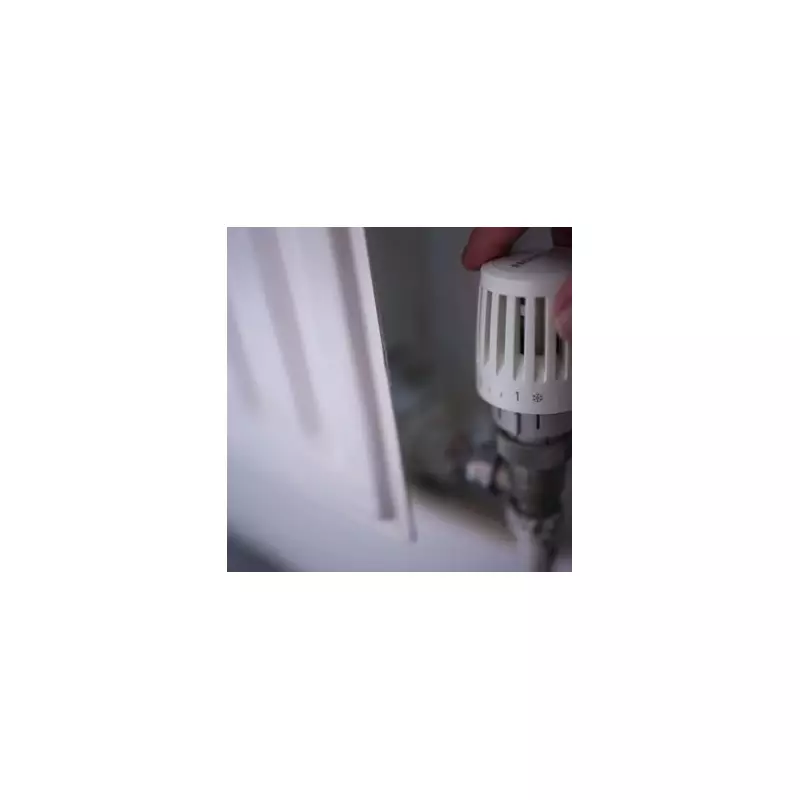
Heating expert Rob Nezard, plumber and managing director of UKRadiators.com, has revealed that the numbered dial on your radiator—the thermostatic radiator valve (TRV)—is frequently used incorrectly. Many mistakenly believe it controls the radiator's temperature, but its true function is to gauge and respond to the temperature of the room itself.
These clever valves work by measuring the ambient room temperature and regulating the flow of hot water from your boiler to the radiator. When the desired temperature is reached, the valve shuts off the hot water, preventing energy waste. It can also detect colder spots and adjust the system accordingly.

How to Set Your Valves for Maximum Savings
Rob Nezard explains that the numbers on the TRV correspond to specific temperature thresholds. Understanding this is crucial for efficient heating:
- 0 = 0°C (Off)
- * (Snowflake) = 5°C (Frost Protection)
- 1 = 12°C
- 2 = 16°C
- 3 = 20°C
- 4 = 24°C
- 5 = 28°C
- 6 = 32°C
The expert advises that for most small rooms during winter, setting the TRV to 2 or 3 is ideal. He strongly cautions against using setting 5, as this will make your boiler work excessively to heat a room to around 30°C, a temperature rarely needed and very costly to achieve.
Setting 5 should be reserved only for rooms that require brief, intense heat for a short period. Furthermore, if you plan to be away from home during the Christmas period, remember to set your radiators to the frost setting (the snowflake symbol). This ensures the heating will activate only if the temperature drops below 7°C, protecting your pipes from freezing without wasting energy.
The Financial and Practical Benefits
Using your TRVs correctly offers a dual advantage. Firstly, it drastically reduces the amount of gas your boiler needs to burn to maintain your central heating. Secondly, it acts as a protective measure for your entire heating system by preventing pipes from freezing.
Nezard describes TRVs as giving you 'total control of your heating', meaning you no longer need to waste energy heating rooms that are unoccupied. The potential savings are substantial, estimated at between £55 and £180 per year for a typical three-bedroom semi-detached house. This simple adjustment is an effective way to combat rising energy costs while staying comfortable throughout the colder months.