Households across the UK are being urged to take immediate action to slash their winter energy costs, with experts outlining steps that could save over £560. The advice comes as the coldest months of the year drive a dramatic surge in energy use.
The Winter Energy Spike Explained
Matthew Sheeran, external relations manager at the free financial help group Money Wellness, has highlighted the stark impact of the season on household finances. "Energy bills usually rise sharply in winter, and it’s easy to see why," he stated.
Shorter daylight hours and plummeting temperatures mean residents use significantly more heating, lighting, and hot water. For many, this can increase monthly outgoings by tens or even hundreds of pounds, sometimes doubling summer costs.

"Heating is the biggest culprit for bill rises," Sheeran explained, "but longer nights and more showers or baths also add to your usage." He noted that factors like poor insulation, draughty windows, or reliance on electric heating can exacerbate the financial pain.
On average, households consume a staggering 60-70 per cent of their annual energy during the three coldest months of the year.
Practical Steps to Substantial Savings
Sheeran reassures consumers that major sacrifices aren't necessary. "You don’t need to worry about going without, as even small changes or tweaks can make a real difference," he said.
He provided a breakdown of effective, manageable actions:
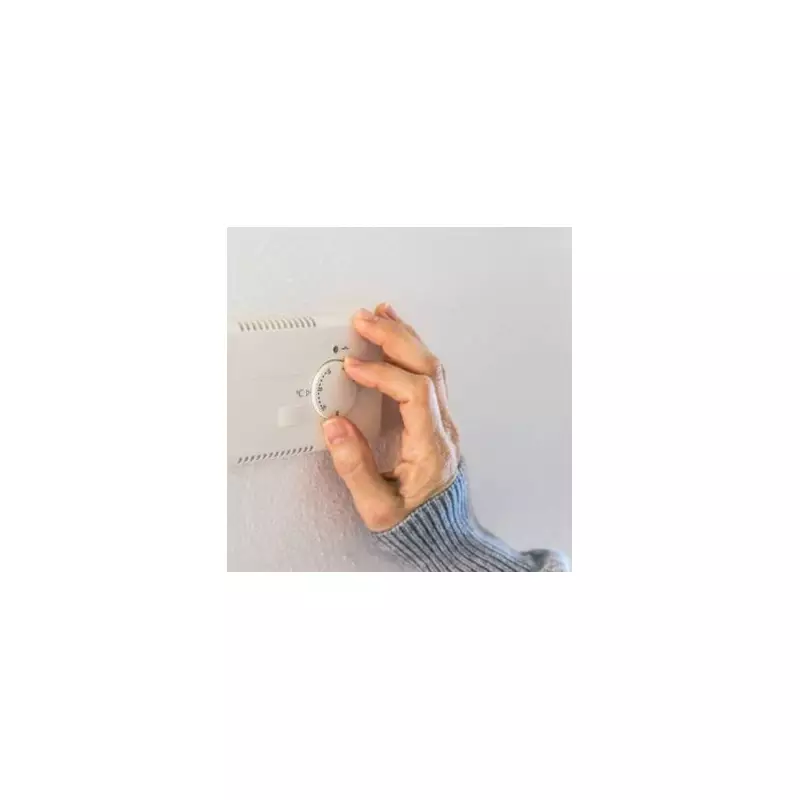
- Adjust your thermostat: Turning it down by just 1°C can save between £80 and £150 annually.
- Draught-proof doors and windows: This reduces heat loss, cutting energy usage.
- Use timers or smart heating controls: Heating your home only when needed can save a further £75 to £110.
Everyday Habits for Lower Costs
Beyond heating adjustments, Sheeran advocates for smarter daily routines. Washing clothes at 30°C instead of higher temperatures uses less energy, while turning off or unplugging unused appliances stops phantom power drain.
Making the most of natural light during the day, layering up with warmer clothing indoors, and only heating rooms that are in use are all highly effective strategies.
"Altogether, these steps could save most households £200 to £300 this winter," Sheeran confirmed, "keeping you warm without sending your bills soaring."
When the potential savings from the key tips are combined—£150 from thermostat control, £110 from smart heating, and £300 from collective behavioural changes—the total reduction reaches £560.
This crucial advice is particularly relevant for the millions of customers with the UK's major energy suppliers, including British Gas, EDF, EON, Ovo, and Octopus. Taking action now can provide significant financial relief during the most expensive quarter for home energy.