Heating specialists across the UK have unveiled a series of essential, low-cost strategies designed to help British households combat the persistent rise in energy prices. By implementing straightforward behavioural changes and minor home improvements, families can significantly reduce energy waste and shield themselves from the impact of the latest price cap increases, all without compromising on home comfort.
The Power of a Single Degree
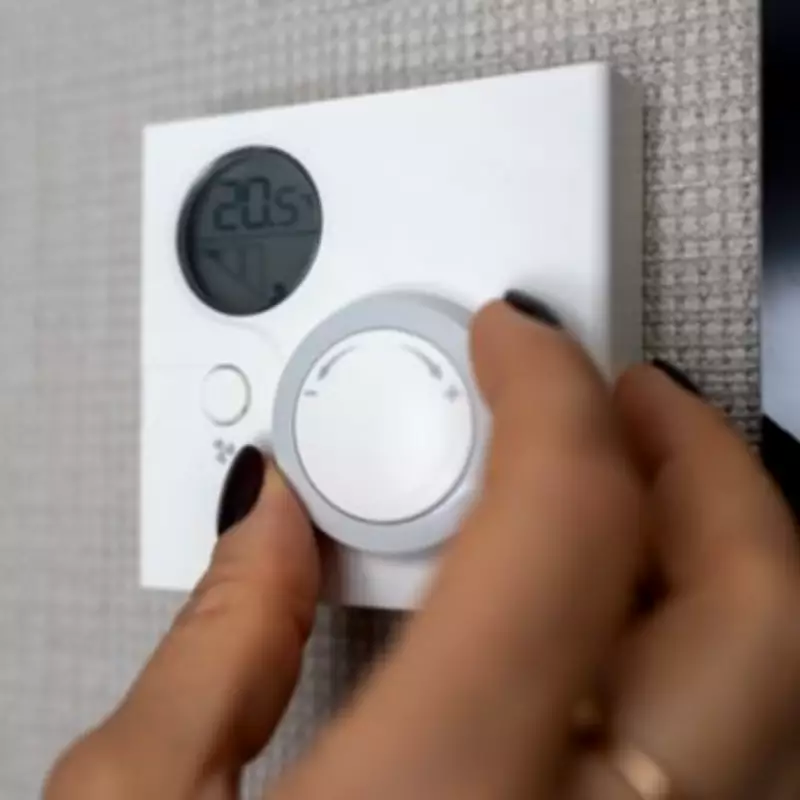
One of the most effective and completely free adjustments recommended by experts is a simple tweak to your thermostat. Reducing your home's temperature by just 1°C, for example from 20°C to 19°C, can save the average household over £100 annually. This minor change is often barely noticeable in terms of daily comfort but provides substantial financial relief over the course of a year, making it a highly recommended first step.
Targeted Heating Control
For more targeted savings, consider installing thermostatic radiator valves (TRVs). These devices allow for precise temperature control in individual rooms, particularly those used less frequently. By preventing unnecessary heating in empty spaces like spare bedrooms or hallways, this simple upgrade can lead to further annual savings of approximately £75.

Sealing the Gaps
A significant amount of expensive heat is lost through unnoticed gaps in a property. Draught-proofing windows and doors is a highly cost-effective measure. Alternatively, hanging heavyweight curtains over draughty areas can serve a similar purpose. These minor fixes ensure that hard-earned money does not literally escape through the cracks of an uninsulated home, preserving warmth and reducing bills.
Low-Cost Insulation Upgrades
Another quick win involves your hot water system. Investing around £15 in a hot water cylinder jacket can dramatically reduce heat loss in older domestic heating setups. This small initial outlay pays for itself rapidly by ensuring that water stays hot for longer periods, thereby requiring less energy to reheat.
Investing in Major Efficiency
For those with older heating systems, a more substantial upgrade can yield remarkable returns. Upgrading an outdated boiler to a modern A-rated model can save up to £540 annually by drastically improving fuel efficiency. Many older units operate at as little as 60% efficiency, meaning a substantial portion of current energy costs is simply being wasted.
Smart Monitoring for Smarter Habits
Adopting technology can also drive savings. Smart meters provide real-time monitoring of energy consumption, helping households identify waste and ensure billing is based on actual usage rather than estimates. "Seeing the immediate cost of energy encourages more conscious habits and eliminates the frustration of inaccurate estimated bills," explains Gordon Wallis from home heating and liquid fuel provider Your NRG.
The Current Energy Price Landscape
These savings strategies are particularly pertinent given the current regulatory framework. Between January 1 and March 31, 2026, the energy price cap is set at £1,758 per year for a typical dual-fuel household paying by Direct Debit. This represents a slight increase of 0.2% compared to the cap set in the previous quarter (October to December 2025, which was £1,755). The price cap is calculated based on typical household energy use, underscoring the importance of individual efficiency measures to control personal costs.
By combining these expert recommendations—from the free thermostat adjustment to strategic investments in home efficiency—UK residents can take meaningful, comfortable steps towards reducing their energy expenditure and building greater resilience against future price fluctuations.