As winter temperatures plunge across the UK, heating experts are alerting households to a widespread heating error that could be adding hundreds - even thousands - of pounds to annual energy bills.
The Thermostat Trap Explained
Many British families are unknowingly falling into what specialists term the 'thermostat trap' - the habit of cranking up the heating dial in the mistaken belief it will warm rooms more quickly. According to heating professionals, this common practice doesn't actually speed up heating but significantly drives up energy consumption.
"When temperatures drop, many of us instinctively boost the thermostat, assuming it will heat our home faster. Unfortunately, this isn't how heating systems operate," explained Ryan Willdig, heating specialist at Heatforce, in comments to the Independent. "Each degree above 19-20°C can add approximately 10% to annual heating costs."

Optimal Temperature Settings
Instead of constantly adjusting the thermostat, experts recommend maintaining a consistent temperature between 18°C and 21°C (64-70°F) - identified as the lowest comfortable range for most UK homes. Keeping the thermostat steady not only conserves energy but prevents boilers from working harder than necessary.
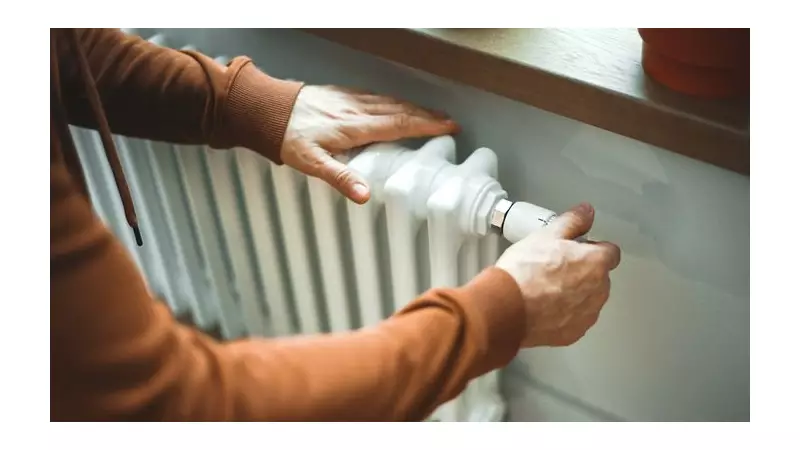
The consumer organisation Which? has highlighted another crucial aspect of efficient heating management through a viral TikTok tip. They urge homeowners to check their thermostatic radiator valves (TRVs) - the numbered dials found on individual radiators.
"Avoid setting this dial higher than three, unless it's in the room containing your main thermostat," a Which? expert advised. "Cranking your thermostatic radiator valve up to five opens the valve completely, allowing maximum hot water flow into the radiator when your heating is active."
While this setting works well for rooms requiring rapid heating, like living rooms - particularly those housing the main thermostat - having every radiator set to five can unnecessarily inflate heating expenses.
Practical Heating Solutions
For the ideal balance between comfort and affordability, specialists suggest setting bedroom radiators between two and three, maintaining temperatures of 15°C to 20°C, while keeping living areas slightly warmer.
Improving home insulation represents another key strategy for preventing heat loss. Simple, cost-effective solutions including draught excluders, radiator reflectors and window seals can deliver noticeable improvements, according to Mirror reports.
"These measures won't require much time to implement," said Willdig. "Investing an hour or two during weekend hours to inspect insulation and draught-proofing can make your home feel warmer while reducing monthly bills."
With energy prices remaining elevated, these minor adjustments could determine the difference between expensive winter heating bills and maintaining an efficient, comfortable home throughout the colder months.