Five Winter Heating Myths That Are Secretly Increasing Your Energy Bills
As winter persists and households across the UK strive to reduce energy costs while awaiting spring's warmth, many are inadvertently following advice that hikes up their expenses. Experts caution that widespread myths concerning the Ofgem price cap and thermostat usage can lead to significantly higher bills, despite good intentions.
Understanding the Ofgem Price Cap
The current Ofgem Energy Price Cap stands at £1,758 annually for a typical dual-fuel household paying by direct debit. However, this figure serves only as a benchmark for average consumption. If your usage exceeds these levels, your total bill will inevitably rise, making it crucial to manage energy wisely.
Myth 1: Cranking the Thermostat Heats Rooms Faster
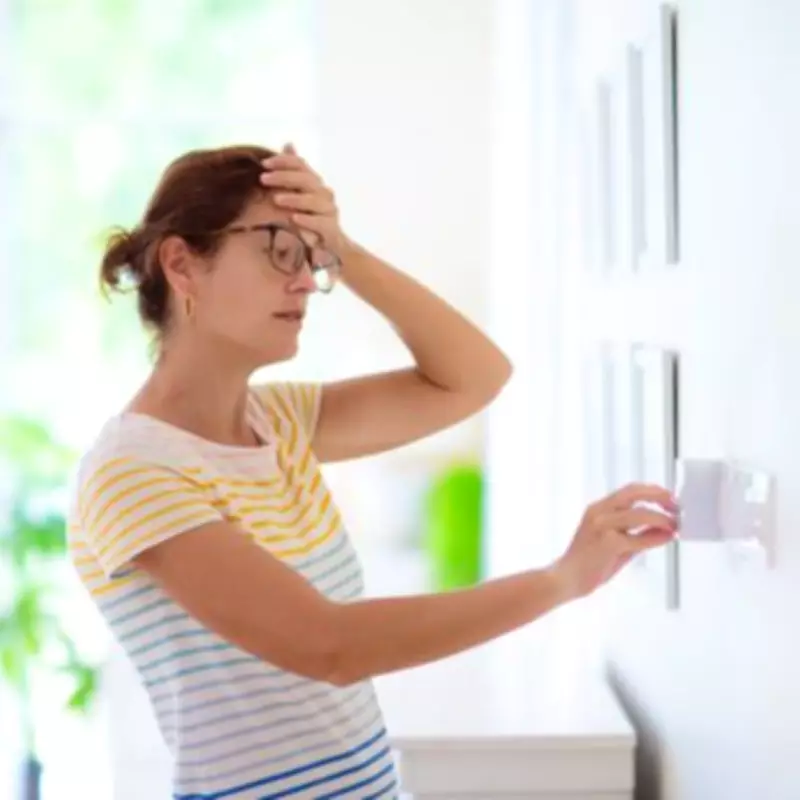
A common misconception is that turning a thermostat to its maximum setting will heat a room more quickly. In reality, this approach only increases the risk of overheating the space, wasting money once the desired temperature is achieved. Instead, setting the thermostat to a comfortable level and allowing it to work steadily is more efficient.

Myth 2: Leaving Heating on Low All Day Saves Money
Many believe that keeping the heating on a low setting throughout the day is cost-effective, but this is generally less efficient than warming rooms only when occupied. Using timers to schedule heating for times when you are actually home can lead to substantial savings, as it avoids unnecessary energy consumption.
Myth 3: Ignoring Minor Draughts Is Acceptable
To prevent heat loss during scheduled heating times, addressing draughts is vital. While windows are obvious culprits, significant warmth also escapes through loft hatches, pipework, and unused open chimneys. Professional draught-proofing and blocking chimney gaps can save households approximately £145 per year, enhancing overall efficiency.
Myth 4: Small Thermostat Adjustments Don't Matter
Reducing your home's thermostat by just one degree, such as from 22°C to 21°C, can result in annual savings of around £90. This simple adjustment demonstrates how minor changes can accumulate into significant financial benefits over time, without compromising comfort.
Myth 5: Electric Heaters Are a Cheap Alternative
Using plug-in electric heaters as a primary heat source is often much more expensive than relying on a gas central heating system, according to experts at comparison website FreePriceCompare. Given that electricity unit rates are substantially higher than gas, these portable devices should be reserved for short, sparing use to avoid escalating costs.
By debunking these myths and adopting smarter heating practices, UK households can better manage their energy usage and reduce bills during the colder months. Focusing on efficient thermostat settings, timely heating schedules, and thorough draught-proofing are key steps toward achieving savings and comfort.