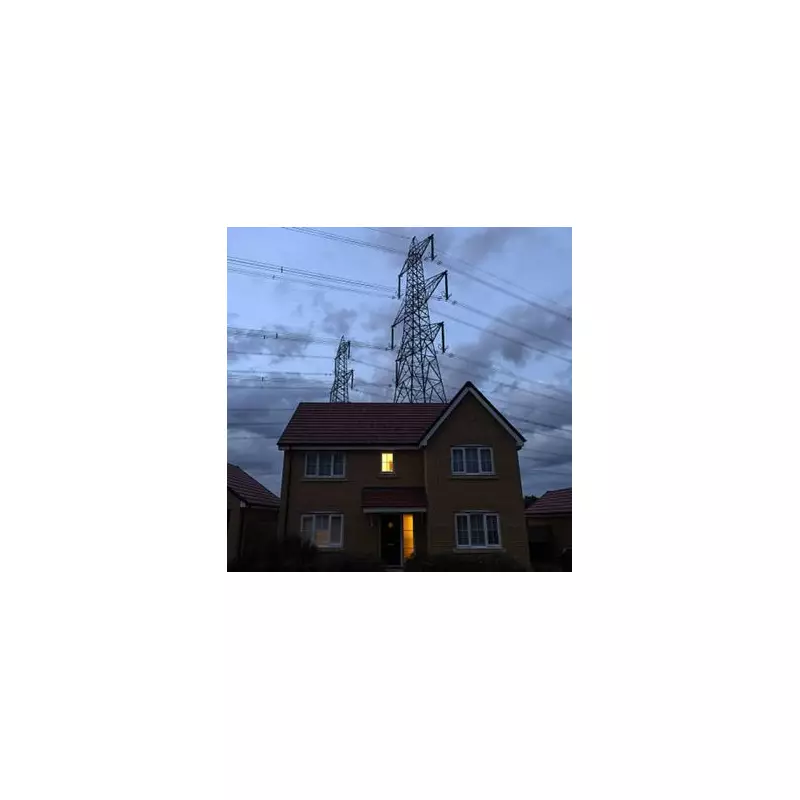
Households in the historic city of York are grappling with the highest energy bills in England, paying an average of £1,181 per year to heat their homes, according to a new analysis.
The Stark Regional Divide in Energy Costs
The research, conducted by Hillarys, examined regional tariff data and uncovered a dramatic postcode lottery for energy costs. It found that residents of York face paying a staggering £671 more annually than those in the city with the cheapest average bill.
That title belongs to Salford, where the typical yearly energy cost is just £564. This significant disparity highlights the profound impact location and property efficiency can have on household finances.
Why York's Bills Are So High
A key factor contributing to York's position at the top of the expensive energy list is the energy efficiency of its housing stock. The data shows that 60.77% of properties in York have an Energy Performance Certificate (EPC) rating of D or lower.
An EPC rating of D indicates below-average energy efficiency, suggesting many homes require improvements like double-glazing or better insulation. The EPC scheme, launched over 15 years ago, rates buildings from A (most efficient) to G (least efficient), with most UK homes currently sitting at a D rating.
Expert Advice for Cutting Bills and Staying Warm
Lisa Cooper, Head of Product at Hillarys, commented on the findings, noting widespread concern over energy prices. “Energy bills have become a real concern for the majority of people living in the UK, with 71% of Brits concerned about energy prices and 77% now more conscious of saving energy due to higher bills,” she said.
Cooper advises against the instinct to crank up all radiators when it gets cold. Instead, she emphasises heat retention. “Retaining heat by preventing air leakage at windows is key to keeping bills low whilst staying warm,” she explained.
Her recommendations for cost-effective changes include:
- Sealing draughts around windows and doors.
- Using thick, lined curtains.
- Ensuring windows are properly insulated.
She also highlighted specialised solutions like thermal blinds. “Installing thermal blinds, such as Duette blinds, which have a unique honeycomb structure... traps air within its cells, providing an extra layer of insulation at your windows, reducing heat loss by up to 55%,” Cooper added.
With winter temperatures biting, these insights offer a crucial roadmap for homeowners, particularly in cities like York, to combat soaring energy costs through smarter, more efficient heating strategies.