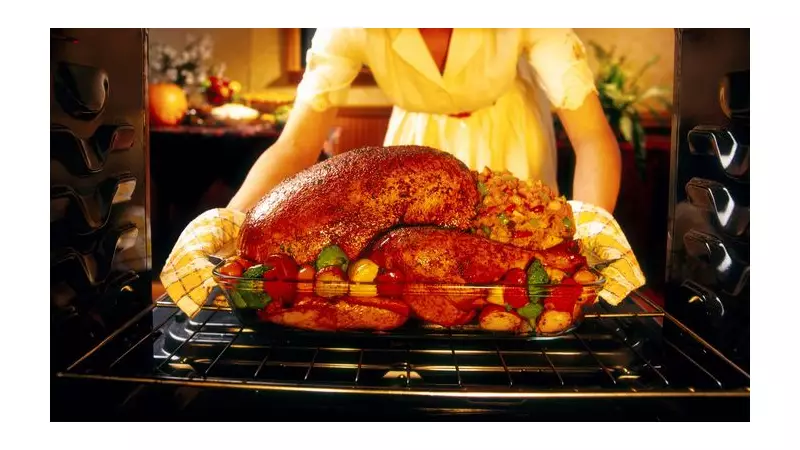
With Christmas fast approaching, the annual quest for the perfect roast turkey is in full swing across British kitchens. A common tool in this festive mission is aluminium foil, but its use sparks debate. Does wrapping the bird help or hinder? To settle the argument, culinary experts have shared their professional secrets, revealing that timing is everything.
The Consensus: Foil is a Tool, Not a Rule
The overwhelming advice from professional chefs is that foil has a place in the Christmas cookery process, but it should not be used as a permanent cover. Dennis Littley, a chef and culinary expert at Ask Chef Dennis, explains the core principle. "I rarely cover a turkey for the entire cooking time because the goal is to get that golden, crispy skin," he said. Keeping it constantly covered steams the skin, resulting in a pale, soggy texture nobody desires.
Instead, chefs advocate a strategic approach. Littley recommends loosely tenting the turkey with foil after the first hour, particularly if the breast is cooking faster than the legs. "The foil helps prevent the breast from drying out while the legs and dark meat finish roasting," he noted. It can also shield wing tips or other thin areas from burning.
Timing the Reveal for the Perfect Finish
The crucial step, agreed upon by multiple chefs, is removing the foil towards the end of cooking. This allows the skin to crisp and colour beautifully. Martin Slinn, head chef at Chesterfields Guest House in Warwick, advises, "Cover it for most of the cook to protect the white meat, then whip it off for the last half hour to develop a deep, golden crust."
Dennis Littley suggests taking the foil off 20 to 30 minutes before the turkey is done. He sometimes bastes lightly with pan juices just before uncovering to enhance browning. Jessica Randhawa, founder of The Forked Spoon, and Sophie Nahmad, lead chef at Gousto, also champion this method, with Nahmad swearing by Delia Smith's classic 'oven within an oven' foil parcel technique, removing it for the final hour of cooking.
Alternative Views and Essential Resting
Not every chef is a foil fan. Chris Davey, a private chef known as The Cotswold Guy, prefers flavour over foil. "I don't bother with foil at all, I use bacon instead," he stated. The rendering bacon fat bastes the meat, adding a rich, savoury taste.
Environmental concerns were also raised. Tom Hunt, author of 'Eating for Pleasure, People and Planet', urged cooks to avoid foil, citing potential leaching and its resource-heavy production. He recommends unbleached parchment paper as a cheaper, healthier alternative for both people and the planet.
However, all chefs were united on one non-negotiable final step: resting the turkey. Once out of the oven, the bird must be tented with foil and left to rest for around 30 minutes. James Hackney, an executive chef, stressed this is essential, as it allows the meat to relax and the juices to redistribute, resulting in more tender and flavourful slices.
The expert conclusion is clear: foil can be a valuable ally in the quest for the perfect Christmas centrepiece, but its power lies in strategic deployment. Knowing when to apply it and, just as importantly, when to remove it, makes the difference between a dry disappointment and a triumph of juicy, flavourful meat crowned with crisp, golden skin.