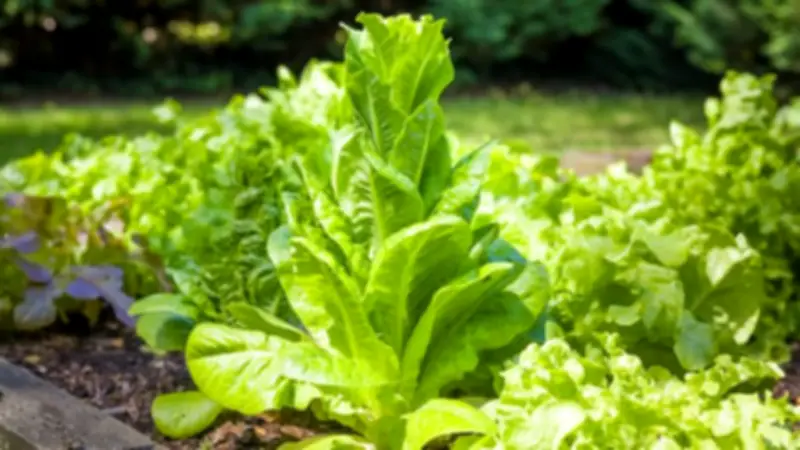
Bolting, the premature flowering of leafy greens, turns crisp lettuce and peppery rocket bitter and inedible. This common garden problem is triggered by heat, cold snaps, or longer summer days. Harrison Fannon, vegetable gardener at the 'no-dig' garden at Blenheim Palace and co-founder of Worthy Earth, explains: "As soon as the soil dries out, your plants are going to get stressed and they'll be more likely to bolt."
Why Bolting Happens
"Bolting is a natural part of the life cycle of the plant, where it runs to seed in order to reproduce itself. That happens more regularly if the plant is under stress," Fannon says. Crops most susceptible include rocket, spinach, and certain lettuce varieties. Fortunately, you can take steps to keep your veggies harvest-ready.
Keep Soil Moist
During hot weather, mulching is key. "Try to reduce the amount of soil that is exposed to the sun, for example, mulching the bare soil around your plants with woodchip or hay, which basically keeps the moisture in the soil, enabling plant roots to access water even when it's much hotter and drier," Fannon advises.
Create Natural Shade
Incorporate varying canopy layers like fruit bushes, shrubs, and small fruit trees. "This isn't a quick fix, but being able to include things within the vegetable garden like fruit bushes, shrubs, and maybe some small fruit trees, are a good way to make sure that there is shade on the garden and plants are not in complete direct sunlight during droughts," he says.
Try Intercropping
Plant tall vegetables like kale or rainbow chard next to low-growing lettuces. "The lettuces are low down, out of direct sun and shaded by other vegetables, which makes them less likely to bolt," Fannon explains.
Plant Generously
An abundance of vegetables can help them survive drought. "If you have more plants together, they are more likely to survive and not bolt in hot weather," he says.
Use Shade Netting
Invest in dark green shade netting to cover your vegetable patch. "It might be the dark green shade netting that you cover a polytunnel with that could be popped over your vegetable patch to avoid it from getting too seared and baked with sun," Fannon recommends.
Water Early
"Water in the morning. We water daily and we try to automate our irrigation using drip-line feeds early in the morning or at night to increase the amount of water which is absorbed by the soil," he says.
Grow a Variety
Focus on heat-loving crops like courgettes, tomatoes, squashes, and pumpkins. "We have a lot of success with chard, beans and kale in the hot months, and as our climate gets hotter, we might want to veer away from trying to grow classic salad leaves in the height of summer," Fannon says. Consider perennial vegetables like perennial rocket, which is less prone to bolting.
What to Do If Plants Already Bolted
Bolted rocket and lettuce are still edible, though more bitter. If too far gone, break them down directly onto the vegetable bed. "We leave it a couple of days for it to start to decompose, and then we plant directly into this mattress of rocket because it keeps the moisture in, adds nutrients to the soil, and doesn't waste really good plant matter for your beds," says Fannon.